Korean Festivals Every Tourist Should Visit
Many travelers visit South Korea expecting to experience famous landmarks, delicious food, K dramas, and K Pop culture. While all of those attractions are worth exploring, one of the most memorable ways to understand Korea is through its festivals.
Festivals reveal a side of Korea that many tourists never see during ordinary sightseeing. They bring together local traditions, modern entertainment, food, music, seasonal beauty, and community spirit in a way that perfectly reflects Korean culture.
As someone who has spent years introducing Korea to foreign visitors, I often tell travelers that the timing of their trip can completely change their experience. Visiting Korea during a major festival can transform a simple vacation into something unforgettable.
From lanterns glowing across ancient temples to beaches filled with music and energy, Korea offers festivals that appeal to almost every type of traveler.
Here are some of the best Korean festivals every tourist should consider experiencing at least once.

The Cherry Blossom Festivals of Spring
For many visitors, spring is the most beautiful season in Korea. Between late March and early April, cherry blossoms begin appearing across the country, transforming streets, rivers, parks, and mountains into landscapes covered in soft pink and white flowers.
One of the most famous events is the Jinhae Gunhangje Festival. Thousands of visitors gather each year to walk beneath endless tunnels of cherry blossoms and enjoy cultural performances, local food, and evening illuminations.
Many foreigners are surprised by how seriously Koreans celebrate the arrival of spring. The atmosphere feels joyful, optimistic, and uniquely Korean.

The Lotus Lantern Festival
One of the most meaningful cultural events in Korea is the Lotus Lantern Festival. Held annually to celebrate the birth of Buddha, the festival fills the streets of Seoul with colorful lanterns representing peace, wisdom, and compassion.
The highlight is a massive lantern parade that attracts both locals and international visitors. Even travelers with little knowledge of Buddhism often describe the experience as moving and visually stunning.
The combination of traditional culture, spiritual symbolism, and community participation creates an atmosphere unlike any other event in Korea.
The Boryeong Mud Festival
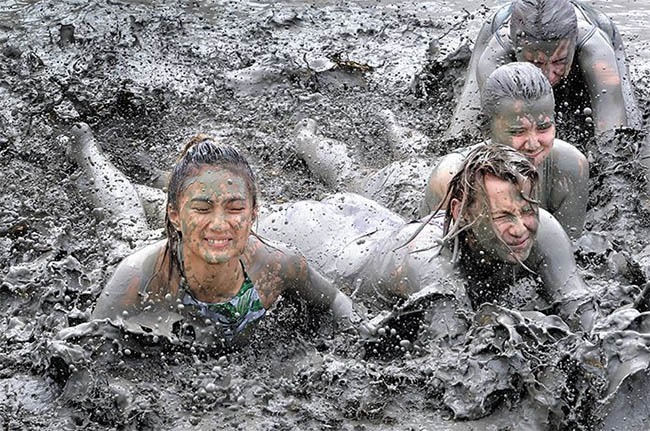
If there is one Korean festival that consistently surprises foreign visitors, it is the Boryeong Mud Festival. What began as a marketing campaign for local mud cosmetics eventually became one of Korea’s most famous international festivals.
Visitors cover themselves in mud, participate in obstacle courses, enjoy live music, and spend the day embracing pure fun. Unlike many traditional festivals, this event attracts large numbers of international travelers.
The atmosphere feels energetic, playful, and welcoming. For many foreigners, it becomes one of the most memorable experiences of their entire trip.
The Busan Sea Festival
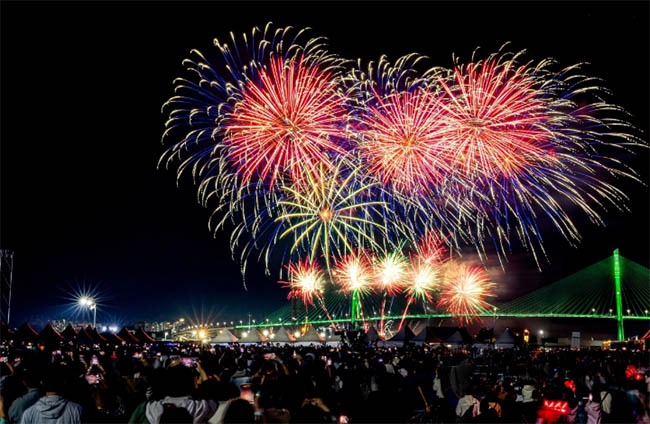
Summer in Korea is closely connected to the ocean, and few events capture that spirit better than the Busan Sea Festival. Held along Busan’s famous beaches, the festival combines concerts, cultural performances, water sports, and beach activities.
The city’s coastal scenery provides a stunning backdrop. Visitors can spend the day enjoying the beach and the evening watching live performances.
The event highlights a side of Korea that many first time visitors do not expect. Modern, youthful, and deeply connected to outdoor summer culture.
The Andong Mask Dance Festival
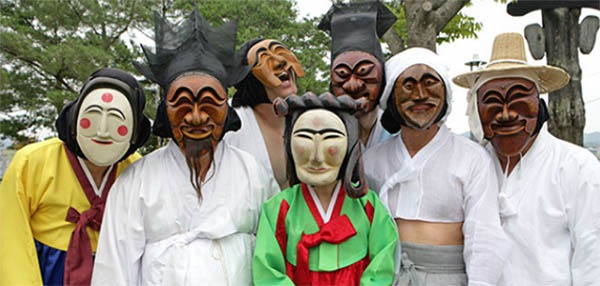
Travelers interested in traditional Korean culture should not miss the Andong Mask Dance Festival. Located in one of Korea’s most historically significant regions, this festival celebrates traditional mask dances that have been performed for generations.
The performances combine humor, social commentary, music, and storytelling. Visitors have opportunities to participate in workshops, wear traditional masks, and learn about Korea’s cultural heritage.
For those seeking something beyond modern city life, Andong offers a fascinating glimpse into Korea’s past.
The Jinju Namgang Yudeung Festival
One of the most visually beautiful festivals in Korea takes place in the city of Jinju. The Jinju Namgang Yudeung Festival transforms the Nam River into a sea of glowing lanterns.
Thousands of illuminated displays float across the water while traditional performances and cultural activities take place nearby. The reflections of lanterns on the river create a magical atmosphere that attracts photographers and travelers from around the world.
Many visitors describe it as one of the most romantic festivals in Korea.
The Seoul Lantern Festival
Held in the heart of Seoul, the Seoul Lantern Festival transforms the Cheonggyecheon Stream into an outdoor gallery of illuminated art. Visitors can walk through the city while admiring creative lantern installations inspired by Korean culture, history, and contemporary themes.
The event demonstrates how Korea successfully combines tradition with modern creativity. It also provides one of the most enjoyable evening experiences available in Seoul.
The Hwacheon Sancheoneo Ice Festival
Winter visitors often underestimate how exciting Korean festivals can be. The Hwacheon Sancheoneo Ice Festival is one of Korea’s most famous winter events.
Visitors gather on frozen rivers to participate in ice fishing, sledding, snow activities, and traditional winter games. Many international tourists have never experienced anything similar. The festival offers a unique introduction to Korean winter culture while creating unforgettable memories.
Food Festivals Across Korea
Korean festivals are not limited to cultural performances or seasonal events. Food plays a major role as well. Throughout the year, regional festivals celebrate local specialties including strawberries, seafood, ginseng, kimchi, peppers, and traditional dishes.
These events provide opportunities to taste authentic regional cuisine while learning about local agricultural traditions. For food lovers, they are often among the most rewarding travel experiences available.
Why Festivals Reveal the Real Korea
Many tourists spend their time visiting famous landmarks. While these places are important, festivals often reveal a more authentic side of Korean society.
- Families gather together.
- Friends celebrate seasonal traditions.
- Communities take pride in their local culture.
- Visitors become participants rather than observers.
This sense of connection is what makes Korean festivals special. They are not simply performances designed for tourists. They are living traditions that continue to play an important role in everyday Korean life.
Final Thoughts
Korea’s festivals offer far more than entertainment. They provide opportunities to experience history, culture, food, community, and seasonal beauty in ways that ordinary sightseeing cannot match.
Whether you prefer cherry blossoms in spring, beaches in summer, lanterns in autumn, or snow covered rivers in winter, there is a Korean festival waiting to be discovered.
For many travelers, attending one of these events becomes the highlight of their entire journey.
It is often through festivals that visitors stop feeling like tourists and begin feeling connected to Korea itself.