
Jeju Island Lifestyle for Students: Balancing Books and Beaches in 2026
As a global expert who has spent years helping international students and multicultural families settle into life in Korea, I can tell you that choosing Jeju Island for your studies is a decision that will change your life.
In 2026, the image of Jeju has shifted from a mere tourist destination to a thriving, tech-savvy educational hub. If you are tired of the gray concrete of mega-cities and crave a connection with nature without losing high-speed internet or modern comforts, the Jeju student lifestyle is designed for you.
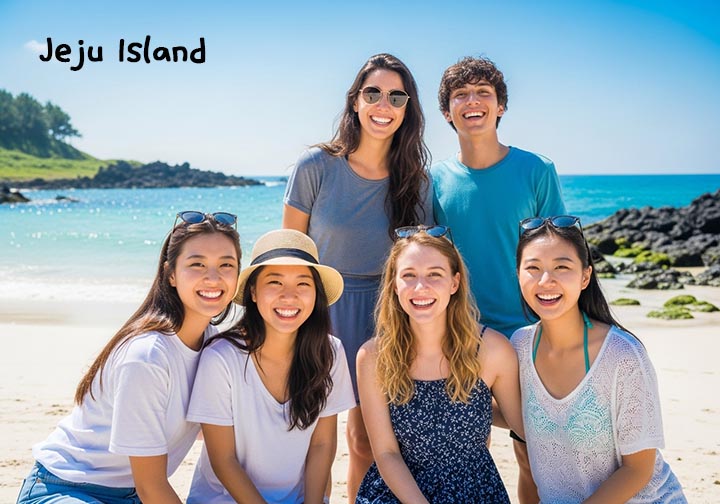
The Island Vibe: Academic Rigor Meets Nature’s Calm
The first thing you will notice as a student in Jeju is the pace of life. While Seoul runs on the “Pali-Pali” (hurry-hurry) culture, Jeju moves with the rhythm of the tides. This doesn’t mean the studies are easy universities like Jeju National University and Cheju Halla University maintain high academic standards but the environment allows for a healthier mental state.
Imagine finishing a stressful exam and driving ten minutes to a white-sand beach or a lush cedar forest to decompress. In 2026, many students have embraced the “Island Study” trend, taking their laptops to coastal cafes where the view of the Pacific Ocean provides the ultimate inspiration for their research papers.
Real Talk: The Cost of Living in 2026
One of the most frequent questions I get in my counseling sessions is about money. Let’s be honest: Jeju is not “cheap,” but it is manageable if you know the secrets. In 2026, a student can live comfortably on a budget of 1.2 million to 1.8 million KRW per month, including rent.
Housing: If you stay in university dormitories, you will save a fortune, with costs as low as 400,000 KRW per semester. Off-campus one-room apartments in areas like Ara-dong or Nohyeong-dong typically range from 500,000 to 800,000 KRW monthly.
Groceries: While imported goods can be pricey, local markets (called Five-Day Markets) offer incredibly fresh and cheap seafood, tangerines, and vegetables. Learning to shop like a local is the best way to keep your wallet full.
Navigating the Island: Transportation Hacks
Jeju does not have a subway system, which is the biggest shock for students coming from Seoul. However, in 2026, the public bus system is more efficient than ever. Using a T-money card gives you free transfers and covers almost the entire island. For those living in more remote areas, electric scooter rentals have become a student favorite.
They are eco-friendly and perfect for quick trips between the campus and the local convenience store. Pro tip: If you plan on exploring hidden waterfalls or remote hiking trails, teaming up with friends to rent a car for the weekend is the most cost-effective way to see the island’s secrets.
Food and Faith: A Growing Halal Infrastructure
In 2026, Jeju has become significantly more inclusive. For my Muslim students, finding Halal-friendly food is no longer the struggle it once was. There are now over 30 certified Muslim-friendly restaurants across the island, particularly around the major universities and in Jeju City.
Many campus cafeterias have started offering “No Pork” or seafood-based meal options, and the local grocery stores increasingly stock Halal-certified meats and spices. The small but vibrant international community often organizes potluck dinners, creating a home-away-from-home feeling that is truly heartwarming.
Safety and Community: The Spirit of Jeju
Is Jeju safe? Absolutely. In fact, it remains one of the safest regions in South Korea, which is already one of the safest countries in the world. As a student, you can walk back to your dorm late at night from the library without a second thought. But beyond physical safety, there is the “Jeju Spirit.”
People here are known for their hospitality and the “Gwendang” culture a strong sense of community and looking out for one’s neighbors. For an international student, joining local clubs or participating in “Ollegil” (trail) hiking groups is the fastest way to integrate and find a support system.
The Digital Nomad Student Lifestyle
In 2026, every corner of Jeju, even the remote tangerine farms, is equipped with 5G or high-speed Wi-Fi. This has given rise to the “Digital Nomad Student.” Many international students here balance their degrees with remote freelance work or global internships.
The island is dotted with “Workation” centers and co-working spaces that offer student discounts. This allows you to build a global career while looking out at Hallasan Mountain, providing a level of freedom that students in Seoul often envy.
Final Thoughts on Your Jeju Journey
Life in Jeju as a student is an adventure in balance. You will work hard, but you will also learn to breathe. You will face challenges with the language and the unique island dialect (Jeju-eo), but you will gain a perspective on Korea that most foreigners never get to see.
As you prepare for your journey, my best advice is to come with an open heart and a pair of sturdy hiking boots. Jeju is not just a place to study; it is a place to grow into a global citizen who knows how to value both progress and peace.