
International Marriage in Korea Challenges and Reality
The Growing Reality of International Marriage in Korea
International marriage is no longer rare in Korea. Over the past two decades, globalization, overseas study, international work opportunities, and cultural exchange have increased relationships between Koreans and foreign partners.
Statistics show that multicultural marriages remain a visible part of Korean society. In recent years, more than twenty thousand international marriages have been recorded annually, representing roughly one in ten marriages nationwide.
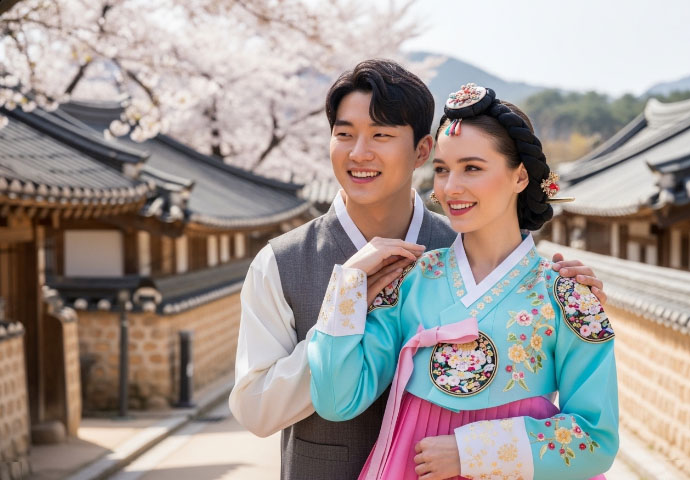
These couples come from many different backgrounds. Some are relationships between Koreans and foreigners who met while studying abroad. Others meet through work, travel, or online communities. There are also marriages between Koreans and immigrants already living in the country.
While love brings these couples together, international marriage in Korea also comes with unique challenges that many people do not expect. Understanding these realities before marriage can help couples build stronger relationships and avoid cultural misunderstandings.
Language and Communication Barriers
One of the most common challenges in international marriages is communication. Even when both partners speak English or Korean at a basic level, deeper communication can still be difficult. Humor, emotional expression, and subtle cultural meanings often do not translate easily between languages.
Many foreign spouses living in Korea eventually choose to study Korean more seriously. Language ability helps not only in daily life but also in building stronger relationships with in laws and relatives.
Simple things like understanding family conversations, holiday traditions, and social expectations become much easier once language barriers begin to disappear.
For couples living outside Korea, the opposite challenge may occur when the Korean partner must adapt to a new language environment. In both cases, patience and effort from both sides are essential.
The Importance of Family in Korean Marriage
Another reality that surprises many foreigners is the strong role that family plays in Korean marriage culture. In Korea, marriage has traditionally been viewed as the union of two families rather than just two individuals. Parents often want to meet their child’s partner early in the relationship, especially if marriage is being considered.
Foreign spouses sometimes feel pressure to make a good impression during these meetings. Parents may ask questions about career plans, family background, or long term goals. Although this attention can feel intense, it usually reflects concern for the future stability of the couple.
Building trust with Korean in laws often takes time. However, once a relationship is established, many families become deeply supportive and welcoming.
Cultural Differences in Daily Life
Even couples who share strong feelings for each other may face cultural differences after marriage. Daily habits that seem small at first can gradually become sources of misunderstanding.
For example, Korean culture often places strong emphasis on group harmony and family obligations. Holidays such as Lunar New Year or Chuseok are typically spent with extended family members. Foreign spouses who are used to more independent lifestyles may find these expectations surprising.
Work culture can also affect married life. Korea is known for long working hours and strong dedication to career responsibilities. This can influence family routines and personal time. Learning to respect each other’s cultural perspectives is often one of the most important steps toward a healthy international marriage.
Legal and Immigration Considerations
International couples in Korea also need to navigate legal procedures related to marriage and residency.
Foreign spouses usually apply for a marriage visa, commonly known as the F 6 visa. This visa allows them to live in Korea with their Korean spouse and eventually apply for permanent residency if they meet certain requirements.
Applicants may need to provide documents such as proof of relationship, financial stability, and background checks depending on their nationality and situation.
These procedures can sometimes feel complicated, especially for couples unfamiliar with Korean administrative systems. However, once the process is completed, foreign spouses can build stable lives in Korea with legal residency and work opportunities.
Social Adjustment for Foreign Spouses
Adapting to Korean society can be another challenge for foreign partners. Some foreign spouses move to Korea without existing social networks. Adjusting to a new culture, language, and environment can feel isolating at first.
Fortunately, Korea has developed many support programs for multicultural families. Local community centers offer language classes, counseling, and social events designed to help foreign spouses adapt to life in Korea.
These programs are especially helpful for parents raising multicultural children, providing guidance on education and cultural identity. Over time, many international families become active members of their communities.
Changing Attitudes Toward Multicultural Families
Korean society has gradually become more open to multicultural families. International marriages once faced stronger social stigma, especially in smaller communities. However, globalization and cultural exchange have slowly changed public attitudes.
Today, multicultural families are increasingly visible in Korean media, schools, and workplaces. Government statistics show that children from multicultural families now make up a growing part of the population, reflecting Korea’s evolving demographic landscape.
Although challenges still exist, the overall trend is toward greater acceptance and diversity.
The Reality Behind the Challenges
International marriage is not inherently more difficult than domestic marriage, but it does require additional understanding. Couples must navigate language differences, cultural expectations, legal systems, and sometimes social adaptation.
At the same time, international relationships can also offer unique strengths. Partners often develop strong communication skills, cultural awareness, and flexibility through their shared experiences.
Many multicultural families in Korea build fulfilling lives that blend traditions from both cultures. In the end, successful international marriages depend on the same foundations as any other relationship.
Mutual respect, patience, and open communication matter far more than nationality or background. For foreigners considering marriage in Korea, understanding both the challenges and the realities will help create a stronger and more meaningful partnership.