How to Travel Korea on a Budget
If you’ve heard that Korea is expensive, you’re not wrong but you’re not completely right either.
Living here, you quickly realize that Korea is one of those places where your spending depends entirely on how you approach it. You can burn through money fast in trendy neighborhoods, or you can live surprisingly well on a tight budget without feeling like you’re missing out. The difference comes down to knowing how locals actually spend money.
Transportation: Cheap, Fast, and Reliable
This is where Korea really helps your budget. Public transportation is not just efficient it’s affordable enough that you rarely need alternatives. Subways and buses in cities like Seoul or Busan typically cost around $1–$2 per ride. With a rechargeable T-money card, transfers are discounted or even free within a time window.
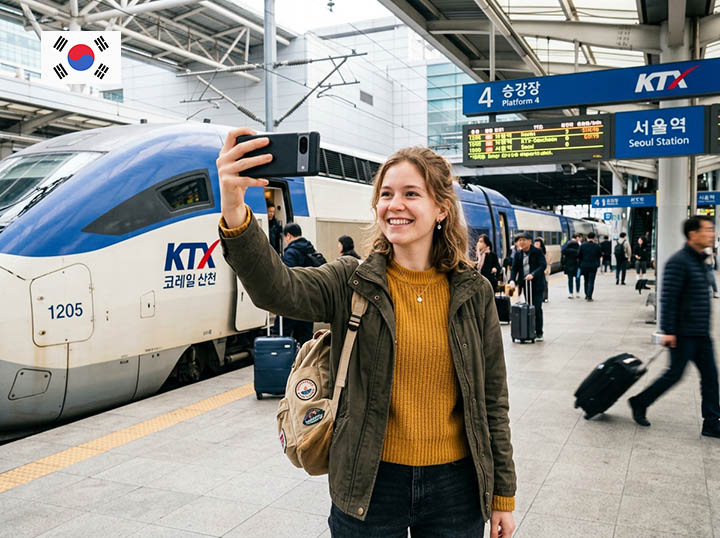
For longer distances, trains are the main option. The high-speed KTX is faster but pricier, while slower trains like Mugunghwa are significantly cheaper and still comfortable. If you’re trying to save, skip taxis unless absolutely necessary. They’re not outrageous, but compared to public transit, they add up quickly.
Accommodation: Skip Hotels, Think Smart
Hotels in central areas can get expensive, especially in peak seasons. But budget options are everywhere if you know what to look for.
- Guesthouses: $15–$30 per night
- Hostels: $10–$25 per night
- Small motels: often cheaper than hotels and surprisingly clean
Areas slightly outside major tourist zones like neighborhoods beyond central Seoul offer much better value without sacrificing convenience. Short-term rentals are also common, but prices vary widely depending on location.
Food: Where You Save the Most Money
Food is where budget travel in Korea becomes easy. You don’t need to spend much to eat well. In fact, some of the best meals are the cheapest.
- Convenience store meals: $3–$6
- Local restaurants: $5–$10
- Street food: often under $5
Traditional markets and street stalls offer filling meals at a fraction of restaurant prices. Places like Gwangjang Market are perfect for trying multiple dishes without overspending. If you avoid high-end cafes and trendy brunch spots, your daily food cost can stay very low.

Attractions: Many of the Best Things Are Free
One of the biggest advantages of traveling in Korea is how many experiences cost nothing.
- Palaces and historical sites have low entrance fees (often under $3)
- Hiking trails are completely free
- City views, riverside parks, and cultural neighborhoods cost nothing
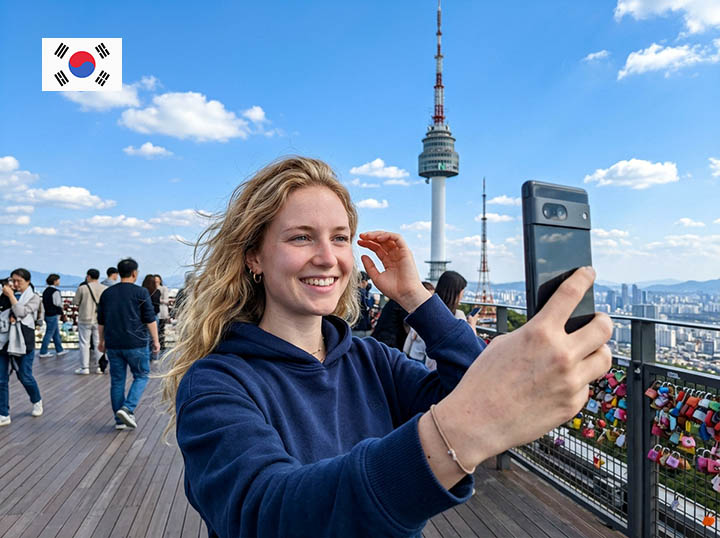
Walking through areas like Bukchon Hanok Village or along the Han River gives you a full experience without spending anything. Even museums and exhibitions often have free or discounted entry days.
Shopping: Set Limits Early
Korea is full of things designed to make you spend cosmetics, fashion, K-pop merchandise. This is where budgets usually break.
If you’re into K-beauty or shopping districts, it’s easy to overspend without noticing. Places like Myeongdong are convenient but not always the cheapest. A simple rule: decide your shopping budget before you arrive. Otherwise, small purchases add up fast.
SIM Cards and Connectivity: Don’t Overpay
Staying connected is important, but many travelers spend more than necessary. Instead of expensive airport plans, consider:
- eSIM options
- Local prepaid SIM cards
- Free Wi-Fi (widely available in cafes, subways, and public areas)
Korea has one of the best internet infrastructures in the world, so you won’t struggle to stay online even on a budget.
When to Visit: Timing Changes Everything
Travel costs in Korea fluctuate more than people expect.
- Spring (cherry blossom season) and autumn are peak seasons
- Summer and winter are cheaper but less comfortable weather-wise
If your goal is to save money, avoid peak travel periods. Flights and accommodation prices can drop significantly in off-season months.
Daily Budget Reality
Here’s what a realistic daily budget looks like:
- Budget traveler: $30–$60 per day
- Mid-range traveler: $70–$120 per day
This includes accommodation, food, and transportation but not major shopping. Compared to Japan or Western Europe, Korea can be noticeably more affordable if you plan well.
The Real Trick: Spend Like a Local, Not a Tourist
This is the difference that matters most.
Tourists often:
- Stay in central districts
- Eat at popular Instagram spots
- Use taxis more than necessary
Locals:
- Use public transport everywhere
- Eat at small neighborhood restaurants
- Avoid overpriced tourist zones
If you follow local habits, Korea becomes much more budget-friendly without sacrificing experience.
The Bottom Line
Korea isn’t cheap but it’s controllable.
You can travel here comfortably without spending a lot, as long as you make deliberate choices. Focus on local food, public transport, and simple accommodations, and you’ll get a much more authentic experience anyway. In many ways, budget travel in Korea doesn’t feel like a compromise. It just feels like doing things the way people here actually do them.