
How to Get Into Kyungpook National University
If you are researching universities in South Korea but want something outside Seoul, Kyungpook National University often appears near the top of the list. Among Korea’s national universities, it has a strong reputation, a large campus, and a long academic history.
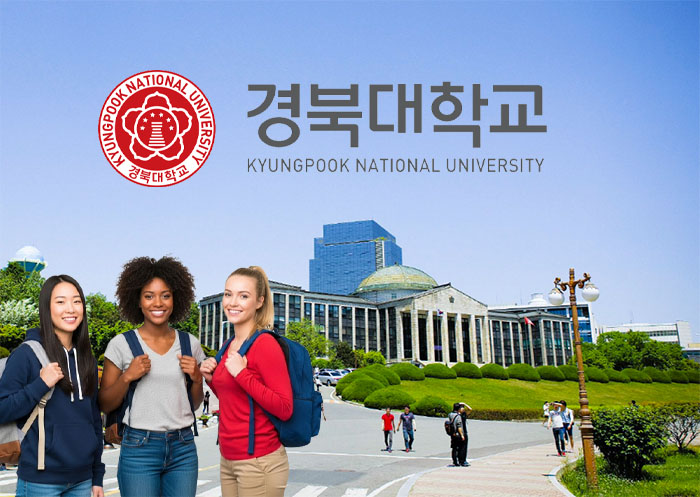
Located in Daegu, Kyungpook National University is one of the most respected regional universities in the country. Many international students choose it because the education quality is strong while the cost of living is much lower than in Seoul.
But the question many students ask is simple. How do you actually get accepted?
From my experience helping international applicants prepare for Korean universities, the process is not as complicated as many people think. However, understanding the requirements and preparing the right documents early can make a huge difference.
Here is a clear explanation of how international students typically get into Kyungpook National University.
Basic Eligibility Requirements
The first step is making sure you meet the basic eligibility rules.
For undergraduate admission, international applicants must usually meet two main conditions. First, both the applicant and their parents must be non Korean citizens. Second, the student must have completed education equivalent to Korean elementary school, middle school, and high school.
This means you should have a recognized high school diploma or be about to graduate before enrollment. Students applying for graduate programs must already hold a bachelor’s degree for master’s programs or a master’s degree for doctoral programs.
These rules are fairly standard across Korean universities.
Choosing the Right Program
Kyungpook National University offers many majors in areas such as engineering, business, social sciences, natural sciences, agriculture, and arts.
Before applying, students should carefully research which department they want to enter. In Korean universities, your major is usually selected during the application process rather than later.
Some departments have additional requirements. For example, music programs require performance tests, while certain departments may conduct interviews. Choosing a major that matches your academic background can improve your chances of acceptance.
Language Requirements
Language ability is an important part of studying in Korea.
Many programs at Kyungpook National University are taught in Korean, which means students may need Korean language proficiency. This is typically proven through the TOPIK test.
However, some programs and exchange opportunities allow students to study in English or do not strictly require English test scores like TOEFL or TOEIC depending on the program type.
Students who do not yet have strong Korean skills often start by enrolling in a Korean language program before entering their degree program.
Preparing Required Documents
Like most Korean universities, Kyungpook National University requires several documents during the application process.
Common documents include an online application form, academic transcripts, a high school diploma or university degree certificate, a copy of your passport, and passport photos.
Applicants are also usually asked to submit a financial statement proving they can support themselves while studying in Korea. For example, exchange or visiting students may need to show bank funds of around eight million Korean won for one semester.
Some applicants must also provide notarized or apostilled documents depending on their country. Preparing these documents early is extremely important because document verification can take time.
Understanding the Application Timeline
Timing matters more than many students expect.
Most Korean universities have two main admission periods each year. One is for the spring semester beginning in March, and the other is for the fall semester starting in September. For example, exchange student applications for the fall semester may open around April and close in mid May.
Regular degree programs have similar timelines, although the exact dates can change each year. Students should begin preparing their documents at least three to six months before the deadline.
The Admission Process
Once your application is submitted, the university reviews your documents and academic history.
The typical process includes document screening, admission result announcements, and tuition payment. After acceptance, students receive official admission documents that allow them to apply for a Korean student visa.
This process may take several weeks, so patience is important. After receiving the admission letter, students usually apply for a D2 student visa through the Korean embassy in their home country.
Scholarships and Financial Support
Many international students are surprised to learn that Kyungpook National University offers scholarships specifically for foreign students.
Some scholarship programs cover partial tuition, while others may provide full tuition support depending on academic performance and departmental recommendations.
These scholarships are often awarded after admission, based on grades and recommendations from professors. For strong applicants, this can significantly reduce the cost of studying in Korea.
What Makes Your Application Stronger
Meeting the minimum requirements does not guarantee admission.
Students who stand out often have strong academic records, clear motivation for their chosen major, and evidence that they can adapt to studying abroad. Language ability also plays a major role. Even basic Korean language skills can demonstrate commitment to studying in Korea.
Another important factor is organization. Applications with complete documents, clear transcripts, and properly translated materials are much easier for admission officers to evaluate.
Life at Kyungpook National University
One reason many international students choose this university is its location.
Daegu is Korea’s fourth largest city, but it is much less expensive and crowded than Seoul. Students enjoy a comfortable lifestyle, strong campus community, and easy access to transportation.
The university campus itself is large and well equipped, with libraries, research centers, dormitories, and student facilities. For many international students, it offers the perfect balance between academic quality and a manageable cost of living.
Final Advice for Applicants
Applying to a Korean university may feel confusing at first, especially because every university has its own application system. But once you understand the requirements, the process becomes straightforward.
Start preparing your documents early, research your department carefully, and give yourself enough time before the deadline.
Kyungpook National University may not be located in Seoul, but it is one of Korea’s strongest national universities and offers an excellent academic environment for international students.
For many students, studying there becomes one of the most rewarding experiences of their time in Korea.