
How Chinese Tourists Shop for K-Beauty in Seoul Like Locals
For many Chinese tourists visiting South Korea, shopping for K Beauty products is not just a small part of the trip. For some travelers, it is one of the main reasons they come to Seoul in the first place.
Walk through areas like Myeongdong, Hongdae, Gangnam, or Seongsu, and it becomes easy to spot groups of visitors carrying shopping bags filled with skincare products, sheet masks, sunscreens, serums, and makeup items. Korean beauty shopping has become deeply connected to the overall Seoul travel experience.
But what many first time visitors quickly realize is that experienced Chinese tourists do not shop randomly anymore. Years ago, tourists often purchased products based mainly on celebrity advertisements or duty free recommendations. Today, Chinese consumers are much more informed. Many arrive in Seoul already knowing ingredient lists, skincare trends, product reviews, and local Korean beauty rankings.
Some travelers even build entire travel schedules around K Beauty shopping routes. The interesting part is that many Chinese tourists no longer want to shop like tourists. They want to shop like locals.
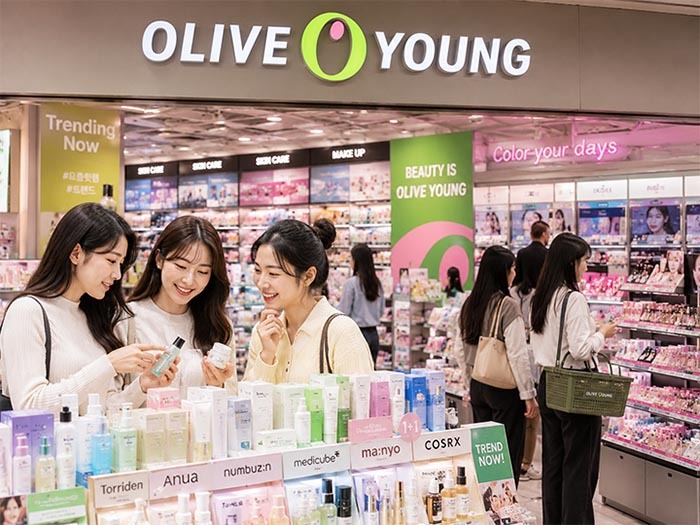
Olive Young Became the First Stop for Many Visitors
One of the first places Chinese tourists usually visit after arriving in Seoul is Olive Young. Unlike luxury department stores, Olive Young feels more approachable and practical. It combines skincare, cosmetics, health supplements, body care products, and beauty trends all in one place.
Many Chinese visitors specifically prefer Olive Young because they can see what ordinary Korean consumers are actually buying in real time. Popular products often sell out quickly, which creates even more curiosity among tourists. Visitors regularly check “best seller” shelves to identify trending Korean skincare products currently popular among local customers.
For many tourists, shopping at Olive Young feels more authentic than simply purchasing luxury cosmetics at airports or department stores.
Chinese Tourists Research Products Before Traveling
One major difference today is how prepared many Chinese shoppers are before arriving in Korea. Through Xiaohongshu, Douyin, beauty forums, and Korean skincare influencers, travelers often create detailed shopping lists weeks before their trip.
Many already know which products are cheaper in Korea, which ingredients are trending, and which brands recently became popular among Korean consumers.
Some visitors even track seasonal Korean beauty trends before booking flights. For example, during colder months, tourists often search for Korean moisturizers, cica creams, and sleeping masks. During summer, lightweight sunscreens, calming pads, and oil control skincare become especially popular.
This level of preparation changed K Beauty shopping from impulse buying into a much more strategic experience.
Tourists Look for Products Koreans Actually Use
Interestingly, experienced Chinese tourists are becoming less interested in products marketed only toward foreigners. Instead, many visitors actively search for skincare brands that ordinary Korean women genuinely use in daily life.
Products trending on Korean social media or recommended by Korean beauty YouTubers often gain strong attention among Chinese travelers. Minimalist skincare brands, skin barrier focused products, and lightweight hydration formulas became especially popular because they match current Korean skincare philosophy.
Some tourists even avoid heavily tourist oriented shops and instead visit local beauty stores in residential neighborhoods to find products with stronger local reputation. Many travelers believe the best Korean skincare products are often the ones quietly popular among locals rather than aggressively advertised internationally.
Tax Free Shopping Still Matters
Tax free shopping remains one of the biggest attractions for international beauty shoppers visiting Korea. Chinese tourists often compare Korean domestic prices with Chinese online retail prices and notice significant differences, especially for newly released products. For travelers buying multiple skincare items, the savings can become substantial.
Many beauty stores in Seoul also adapted specifically for Chinese tourists by offering Mandarin speaking staff, mobile payment systems, multilingual product explanations, and simplified tax refund services. This convenience made K Beauty shopping much easier for international visitors compared to years ago.
Chinese Tourists Prefer Hydration Focused Korean Skincare
One reason Korean skincare remains so popular among Chinese visitors is because many products focus heavily on hydration and skin barrier care. People living in large Chinese cities often deal with stress, pollution, air conditioning, dry indoor environments, and irregular sleep schedules. Korean skincare routines that emphasize calming and moisturizing the skin strongly appeal to these concerns.
Products containing cica, hyaluronic acid, green tea, rice extract, ceramides, and fermented ingredients are especially popular. Many tourists specifically search for skincare routines that create the healthy “glass skin” appearance associated with Korean beauty culture.
Korean beauty products are also often praised for their lighter textures compared to heavier creams common in some international skincare brands.

Beauty Shopping Became Part of Korean Travel Culture
For many Chinese tourists, beauty shopping in Seoul is now part of the emotional experience of visiting Korea itself. People often combine skincare shopping with Korean cafes, photo studios, Korean salons, fashion shopping, and restaurant visits.
The atmosphere inside Korean beauty stores also contributes to the experience. Bright lighting, organized displays, free product testing, seasonal promotions, and trendy packaging create a shopping environment that feels exciting and modern.
Some tourists even say visiting Korean beauty stores feels similar to experiencing Korean pop culture directly in real life. K-Beauty shopping became connected not only to skincare but also to the lifestyle image associated with modern Seoul.
Social Media Continues Influencing Purchasing Decisions
Many Chinese tourists continue sharing Seoul beauty shopping experiences online immediately during their trip. Videos showing “what I bought in Korea,” Olive Young recommendations, Korean skincare hauls, and Seoul beauty store tours regularly gain massive views on Chinese social media platforms.
This creates a cycle where trending products sell even faster after tourists post their experiences online. Some products become famous almost overnight because of viral shopping videos filmed inside Seoul beauty stores. Korean beauty brands now understand that tourist shopping behavior itself became part of modern K Beauty marketing.
Experienced Tourists Shop More Selectively Now
Interestingly, repeat visitors to Korea often buy fewer products than first time tourists. Instead of purchasing huge amounts of random skincare, experienced travelers usually focus on products they already tested and trust personally.
Many Chinese consumers became highly educated about ingredients and skin compatibility. Rather than blindly following trends, they increasingly prioritize products suitable for their own skin condition.
This reflects how mature the Chinese K Beauty market has become. Consumers today are much more informed, selective, and skeptical than before.
Why Seoul Remains a Global K Beauty Destination
Even as Korean skincare becomes widely available online internationally, many Chinese tourists still prefer shopping directly in Seoul. Part of the reason is trust. Buying products directly in Korea feels safer and more authentic to many consumers. Another reason is speed. Korean beauty trends move incredibly fast, and Seoul often receives new product launches earlier than overseas markets.
Most importantly, many tourists simply enjoy experiencing Korean beauty culture firsthand. Shopping in Seoul is no longer only about purchasing skincare products. For many visitors, it feels like participating directly in the lifestyle and beauty culture they have watched online for years.
That emotional connection is exactly why Chinese tourists continue returning to Seoul for K Beauty shopping again and again.