
How Cambodians Can Study in Korea
Studying abroad is one of those life-changing decisions that blend ambition with adventure.
For Cambodian students interested in South Korea, the journey starts with understanding how Korea’s education system works, what visas you need, how to prepare your documents, and what daily life as an international student might feel like.
Let’s walk through this step by step from a local Korean perspective.
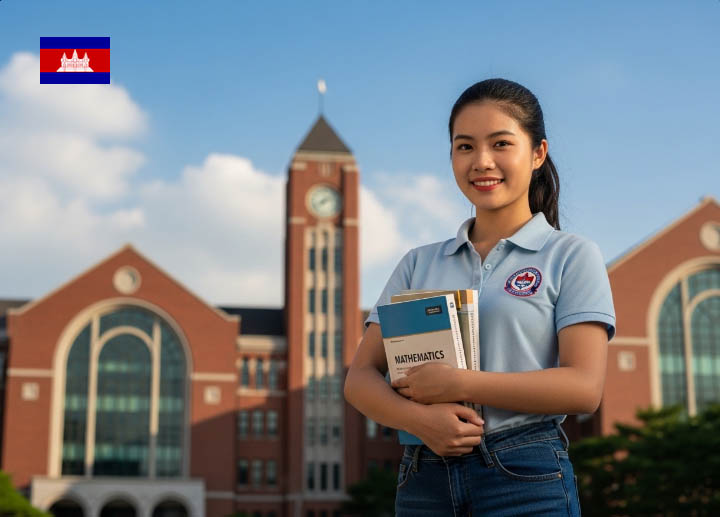
Why Study in Korea Is Worth It
Korea offers a unique combination of high-quality education, rich culture, and vibrant student life. Universities in Korea rank well globally, research opportunities are growing, and many programs are taught in English. On top of that, you’ll be living in one of Asia’s most dynamic societies where tradition and modernity coexist in everyday life.
There’s also growing support for students from across Southeast Asia, including Cambodia. Initiatives like the Study in Korea website and overseas education fairs are helping students learn about admissions and scholarship opportunities well before they think about flights.
Choose Your Program and University
First, decide what you want to study and where. Korea has thousands of programs at universities, colleges, and language institutes. If your goal is a full degree (bachelor’s, master’s, or PhD), you’ll apply to a university directly and, upon acceptance, pursue a D-2 student visa.
If your goal is to study Korean language or non-degree programs (like cultural or technical training), you would typically apply for a D-4 visa, which is specifically for language training and other educational activities.
Universities often require proof of your academic background, such as high school or previous degree certificates, letters of recommendation, and a personal statement. If you’re entering a competitive program, universities may ask for additional exams or interviews.
Admission and Visa Requirements
Getting accepted to a Korean university is your first legal step. Once the university gives you an admission letter and certificate, you prepare for your visa.
For full-degree studies you’ll need a D-2 visa, which you apply for at the Korean embassy or consulate in Cambodia with your admission documents, passport, photos, financial proof, and translations if needed. Cambodian applicants may also be asked to provide a medical certificate, such as a tuberculosis check, as part of their visa application.
Language requirements vary from program to program. Many universities ask for proof of Korean ability often measured through TOPIK (Test of Proficiency in Korean) or in some cases English proficiency for English-taught programs. Schools may also allow conditional admission with language training.
Planning this well months ahead of your desired start date is crucial because admissions and visa processing take time and often involve carefully prepared documentation.
Scholarships and Financial Planning
One of the attractive aspects for Southeast Asian students, including Cambodians, is that Korea often offers tuition support and scholarships for qualified international students.
Some regional education centers provide scholarships that lower tuition costs significantly, making Korea more affordable compared to Western study destinations. Scholarships sometimes require academic merit and language proficiency, so it pays to prepare ahead.
Preparing for Life in Korea
Getting accepted and securing a visa is just the beginning. You’ll move into a phase of adjusting to life in Korea from finding housing to navigating campus life and managing the cultural shift.
After you arrive in Korea with your student visa, you must apply for an Alien Registration Card within 90 days. This card becomes your legal ID in Korea essential for opening a bank account, signing a mobile phone contract, or even getting a public transport card.
Housing varies depending on your university, but many students live either in university dorms or share apartments with classmates. Dorms are a great way to make friends early and settle into campus life more quickly.
Making the Most of Your Experience
Studying in Korea isn’t just about books and lectures. Universities have active student communities, clubs, and cultural events that help you meet people from all over the world. You’ll find international student associations — often organized by nationality or interest — which can be a huge support network for Cambodian students exploring Korea together.
Don’t hesitate to visit language exchange meetups, university events, and local culture festivals — these are the places where you’ll learn more about Korea than any textbook can teach.
After Graduation: Options and Opportunities
Once you finish your studies, you may also be thinking about what comes next. Some students pursue post-study work visas or find employment opportunities that value bilingual or international backgrounds.
While this depends on job demand and individual eligibility, Korea’s job market increasingly values students who know both languages and cultures.
Final Words From Someone Who Lives Here
Studying in Korea as a Cambodian student is a journey sometimes challenging, always rewarding, and decidedly transformative.
With careful preparation, attention to admissions and visa timelines, and an open attitude to new cultural experiences, you can build a meaningful academic path here that opens doors not just in Korea, but in the wider world.