
Foreign Moms Reveal the Truth About Korean Parenting Culture
For many foreigners living in South Korea, one of the biggest culture shocks does not come from food, language, or even work culture. It comes after having children. At first glance, Korea often looks like one of the safest and most child-friendly countries in the world.
Kids walk to school alone. Parents rarely worry about violent crime. Convenience stores, restaurants, and apartment complexes are designed with families in mind.
But once foreign mothers begin raising children inside Korean society, they quickly realize there is a completely different side to Korean parenting culture that outsiders rarely see. Some foreign moms admire it deeply. Others struggle with the pressure. Most experience both at the same time.
Korean Parents Are Extremely Involved in Their Children’s Lives
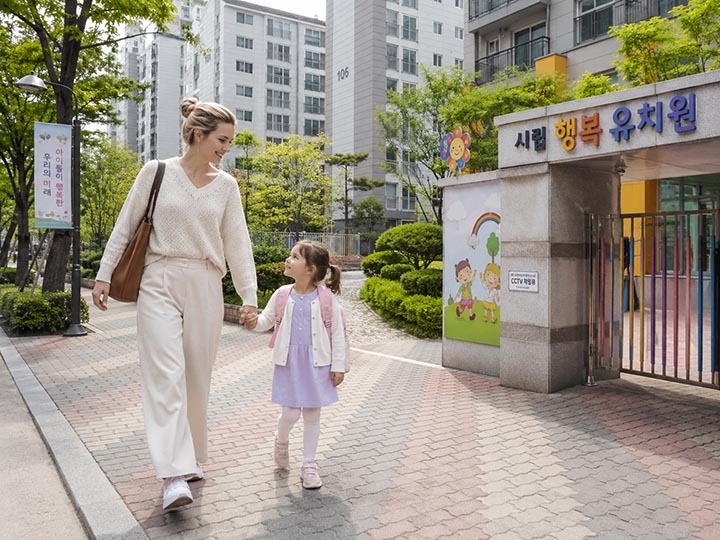
One thing foreign mothers immediately notice is how deeply Korean parents are involved in every part of their children’s daily routine. In many Western countries, children are encouraged to become independent early. In Korea, parenting tends to remain highly hands-on for much longer.
Mothers often manage school schedules, after-school academies, meal preparation, homework, emotional support, and even friendships with incredible attention to detail. Many foreign moms say Korean mothers almost operate like full-time managers for their children.
This level of dedication can feel admirable, but also overwhelming. Some foreign mothers living in Korea admit they began questioning whether they were doing “enough” after seeing how intensely local parents invest their time and money into education and child development.
Education Pressure Starts Earlier Than Most Foreigners Expect
One of the biggest shocks for foreign parents is how early academic pressure begins in Korea. Many foreign mothers are surprised to discover that children as young as five or six already attend multiple academies known as hagwons.
English classes, math programs, piano lessons, taekwondo, coding academies, and even speech training can become part of a child’s weekly routine before elementary school officially becomes serious.
To outsiders, it can sometimes feel excessive. However, Korean parents often explain that competition in Korea is intense, and many believe preparation must start early to give children better opportunities later in life.
Foreign mothers living in Korea frequently say they feel torn between two worlds. They may personally prefer a more relaxed childhood, but they also worry their child could fall behind socially or academically if they completely reject the Korean system.
Korean Parenting Is Deeply Community-Based
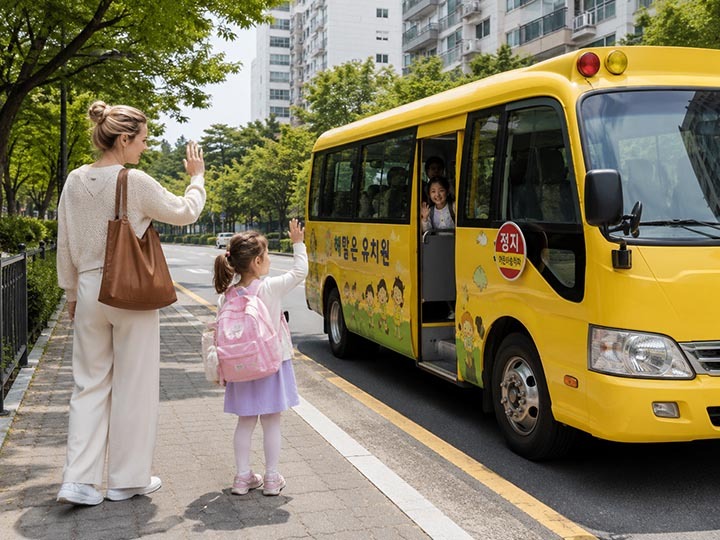
Another major difference many foreign moms notice is that parenting in Korea is rarely treated as a purely private matter. In Korea, grandparents, teachers, neighbors, and even other parents often become actively involved in raising children. Advice is given freely, whether requested or not.
For some foreign mothers, this creates a comforting sense of community. Grandparents helping with childcare is extremely common, and many parents support one another through local school groups or apartment communities.
At the same time, some foreigners struggle with the amount of social pressure involved. In Korean parenting culture, there is often an invisible expectation that parents should maintain certain educational standards, behavioral standards, and even appearance standards for their children. Foreign moms sometimes say they feel constantly observed, especially in school environments.
The Safety Level in Korea Impresses Many Foreign Families
Despite the pressures, one thing many foreign mothers genuinely love about Korea is the sense of safety. Parents from countries with higher crime rates are often amazed by how freely children move around Korean neighborhoods. Kids take buses alone, walk to academies after dark, and spend time outside without the same level of fear many parents experience elsewhere.
For multicultural families raising children in Korea, this safety factor becomes one of the biggest reasons they choose to stay long term. Foreign moms frequently mention that they feel comfortable letting their children experience more independence in Korea than they would back home.
Appearance and Social Comparison Can Be Intense
One topic foreign mothers discuss carefully but honestly is the strong culture of comparison in Korea. Children’s clothes, education level, behavior, and even lunchbox quality can sometimes become subtle forms of competition among parents.
Social media has intensified this pressure even further. Many foreign moms say they were surprised by how polished and organized Korean parenting culture can appear online.
Birthday parties, educational achievements, family outings, and children’s activities are often presented at a very high standard. Some foreign mothers admire the effort Korean parents put into family life. Others say the constant comparison can become emotionally exhausting.

Multicultural Children Still Face Unique Challenges
Although Korea has become much more international than it was ten or twenty years ago, multicultural families still experience challenges that many outsiders do not immediately notice. Children with mixed cultural backgrounds may sometimes attract curiosity at school, especially outside major cities like Seoul.
Foreign mothers often say that younger generations in Korea are becoming more open-minded, but there are still moments where multicultural children feel different from their classmates.
At the same time, many multicultural families also say Korea is slowly changing in positive ways. International families are becoming more visible in media, schools, and public life than ever before.
Some foreign moms who initially struggled in Korea eventually say they developed a deep appreciation for Korean family values, especially the strong sense of responsibility parents feel toward their children.
Many Foreign Moms End Up Understanding Korea Differently
Perhaps the most interesting thing foreign mothers reveal about Korean parenting culture is that their opinions often change over time. At first, many feel overwhelmed by the educational pressure, social expectations, and parenting intensity. But after spending years raising children in Korea, some begin to understand why Korean parents behave the way they do.
They see the sacrifices parents make. They witness how much effort families invest in giving children stable futures. They experience the safety, structure, and strong family-centered mindset that Korea offers.
Most foreign mothers do not fully agree with every aspect of Korean parenting culture. But many eventually admit there are valuable lessons hidden inside it.
In the end, raising children in Korea is rarely simple for foreign families. It is challenging, emotional, competitive, and sometimes exhausting. But for many multicultural families, it also becomes an experience that completely changes how they think about parenting, education, and family itself.