
Factory Jobs in South Korea for Foreigners
For many foreigners looking for better job opportunities abroad, South Korea has become one of the most attractive destinations in Asia. While Korean dramas, K-pop, and modern cities often receive the most attention internationally, another side of Korea continues to attract tens of thousands of foreign workers every year.
That side is Korea’s manufacturing industry.
Factories throughout South Korea play a crucial role in the country’s economy. From automobile parts and electronics to food processing, plastics, steel, textiles, and machinery, Korean factories rely heavily on foreign workers to fill labor shortages.
If you are considering factory work in Korea, it is important to understand both the advantages and challenges before making a decision.
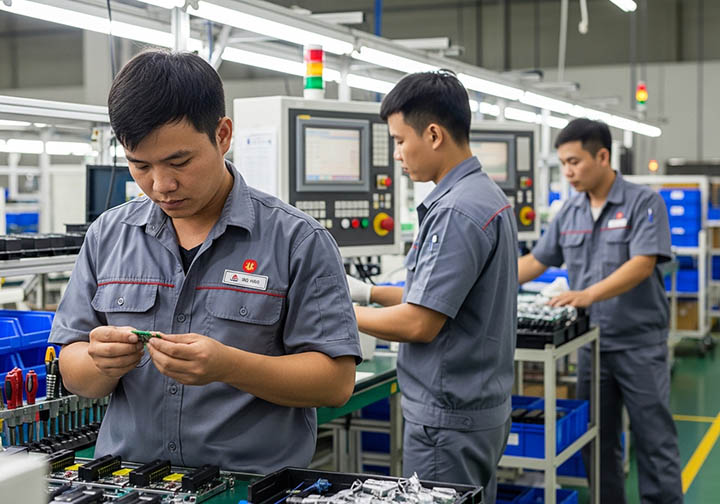
Why Korea Needs Foreign Factory Workers
South Korea faces a significant labor shortage in many manufacturing sectors. As Korean society becomes wealthier and more educated, fewer young Koreans are interested in physically demanding factory jobs. Many prefer office work, technology careers, or service industry positions.
As a result, thousands of factories throughout the country depend on foreign labor. This labor demand has created opportunities for workers from countries such as the Philippines, Vietnam, Nepal, Indonesia, Thailand, Cambodia, Uzbekistan, Kyrgyzstan, Bangladesh, Sri Lanka, and many others.
Without foreign workers, many small and medium sized manufacturers would struggle to operate.
The Most Common Factory Jobs Available
Foreign workers can be found in nearly every manufacturing sector in Korea. Some of the most common factory positions include:
- Automobile parts production
- Metal processing
- Plastic manufacturing
- Electronic component assembly
- Food processing plants
- Packaging operations
- Machinery production
- Textile factories
- Chemical manufacturing support
- Warehouse and logistics operations
Many of these jobs do not require advanced Korean language skills initially, although learning Korean significantly improves long term opportunities.
The Reality of Factory Work
Many foreigners arrive expecting factory work to be relatively simple. The reality depends heavily on the company.
Some factories offer clean facilities, modern equipment, good housing, and supportive management. Others may involve repetitive physical labor, shift work, noise, and demanding production schedules.
A typical workday often includes standing for long periods, operating machinery, packaging products, or performing quality inspections. The work can be physically tiring, especially during the first few months. Workers who arrive with realistic expectations generally adjust much better.
Salary Expectations in 2026
One of the biggest reasons foreigners choose Korea is income potential. Compared to many developing countries, Korean factory wages remain attractive.
Most foreign factory workers earn wages based on Korea’s minimum wage plus overtime and various allowances. In 2026, many factory workers can expect monthly earnings ranging from approximately ₩2.5 million to ₩4 million or more depending on:
- Basic salary
- Overtime hours
- Night shifts
- Weekend work
- Bonuses
- Company size
- Job type
Workers who consistently accept overtime often earn substantially more than the base salary. For many foreign workers, the ability to save money is one of Korea’s greatest advantages.
Housing and Living Costs
Many manufacturing companies provide dormitory housing for foreign employees. Dormitories vary significantly. Some offer private rooms while others provide shared accommodation.
Housing costs are often lower than renting independently, making it easier for workers to save money. Outside of Seoul, living expenses can be surprisingly reasonable.
Many factory jobs are located in industrial cities and rural regions where rent, transportation, and daily expenses are considerably lower than in major metropolitan areas. This allows many workers to send money home while still maintaining a comfortable lifestyle.
The Importance of the E-9 Visa
For most foreign factory workers, employment is conducted through Korea’s Employment Permit System. The E-9 visa is the most common visa used for non professional foreign workers in manufacturing, agriculture, fisheries, and construction industries.
Workers usually enter Korea after completing language testing, government procedures, and recruitment programs organized between Korea and participating countries. Understanding visa regulations is extremely important because legal employment provides access to labor protections and government support services.
Language Challenges
Although some factory jobs require minimal Korean initially, language remains one of the biggest challenges for many newcomers.
Daily instructions, safety training, workplace communication, healthcare visits, and administrative procedures often require at least basic Korean skills. Workers who invest time in learning Korean frequently experience major benefits.
- They communicate more effectively with supervisors.
- They build stronger relationships with coworkers.
- They become eligible for promotions and better opportunities.
Even basic conversational Korean can dramatically improve daily life.
Korean Workplace Culture
Work culture often surprises foreign workers. Korean workplaces generally emphasize punctuality, teamwork, responsibility, and respect for supervisors.
Production schedules are often strict. Safety procedures are taken seriously. Managers expect employees to arrive on time and perform consistently.
At first, these expectations may feel demanding. However, many foreign workers eventually appreciate the structure and professionalism found in Korean factories. Understanding workplace culture is often just as important as understanding the job itself.
Advantages of Factory Jobs in Korea
Factory work in Korea offers several benefits.
- Higher wages than many home countries.
- Stable employment opportunities.
- Potential overtime earnings.
- Access to modern healthcare.
- Safe public transportation.
- Relatively low crime rates.
- Opportunities to learn Korean.
- Potential pathways to longer term employment.
Many workers are able to save significant amounts of money compared to what would be possible in their home countries. For this reason alone, Korea remains an attractive destination.
Challenges Foreign Workers Should Understand
No job is perfect. Factory work can involve physical exhaustion, repetitive tasks, shift schedules, language barriers, and cultural adjustment.
Homesickness is also common. Many workers spend years away from family members. Adapting to Korean food, weather, customs, and workplace expectations can take time.
The workers who succeed most often are those who arrive prepared, flexible, and willing to learn. Patience becomes one of the most valuable skills during the adjustment process.
Can Factory Work Lead to a Better Future?
For many foreigners, factory work serves as a stepping stone rather than a final destination. Some workers use their earnings to support family members, purchase homes, start businesses, or fund education back home.
Others improve their Korean language skills and eventually move into higher paying positions.
Some qualify for longer term visa options through experience and skill development. The opportunities vary depending on individual circumstances, but factory work often provides a foundation for future growth.
Final Thoughts
Factory jobs in South Korea are not glamorous, but they remain one of the most realistic and accessible pathways for foreigners seeking stable employment abroad.
The work can be demanding, yet the rewards are often significant. Competitive wages, safe living conditions, modern infrastructure, and opportunities for personal growth continue to attract workers from around the world.
For foreigners who arrive with realistic expectations, a strong work ethic, and a willingness to adapt, Korea’s manufacturing sector can offer not only employment but also valuable life experience and financial opportunity.