
How to Work in Korea via EPS-TOPIK
Your Practical Path to Working in Korea
South Korea’s Employment Permit System (EPS) and its cornerstone language test, EPS-TOPIK, are the official, government-to-government mechanisms that allow foreign workers including Indonesians to work legally in Korea.
This system was designed to fill labour shortages in Korean industries while giving foreign job seekers a transparent and fair path to employment and long-term skills development.
For many Indonesian talents, the idea of working in Korea can feel both exciting and daunting. You might have questions like: How do I start? What kind of jobs are available? Are there ways to earn more than basic wages?
In this guide, I’ll walk you through the process step by step from preparation to higher-paying opportunities from a Korean local’s point of view.
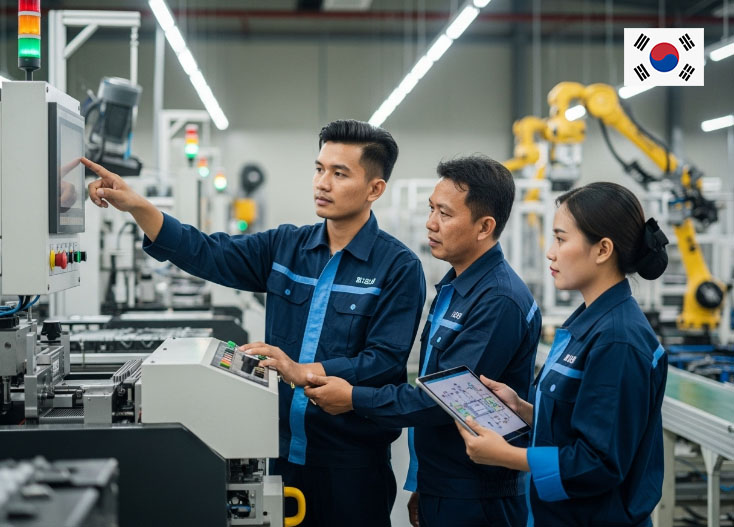
What is EPS-TOPIK and Why It Matters
At the heart of Korea’s system for hiring foreign workers from countries like Indonesia is the EPS-TOPIK the Employment Permit System-Test of Proficiency in Korean. This Korean language test is specifically designed for foreign job seekers who want to work in Korea under the E-9 visa, a work permit for non-professional roles.
EPS-TOPIK evaluates your ability to understand basic Korean necessary for daily life and workplace communication. It consists of a listening and reading section, each with 20 questions, and lasts about 50 minutes.
Passing this test is your gateway to the EPS system. Only those who successfully pass can proceed to the next stages skill tests, job matching, and finally employment contracts with Korean companies.
Step-by-Step Overview: From Test to Contract
Here’s how the journey typically unfolds:
1. Register for EPS-TOPIK
You sign up through your country’s sending authority in Indonesia that’s usually BP2MI and prepare for the language test. Studying in advance is crucial because your score determines your eligibility to apply for jobs.
2. Take the Language Test
On test day, you complete listening and reading sections designed around practical workplace language. The goal isn’t academic fluency; rather, it’s about functioning in a real job environment.
3. Skill Tests and Medical Check
If you pass EPS-TOPIK, you may then take skills assessments related to your chosen job category. This confirms you can handle the tasks the employer expects.
4. Job Matching and Contract
HRD Korea and sending country authorities match qualified candidates with Korean employers in sectors like manufacturing, construction, agriculture, and services.
5. E-9 Visa Issuance
Once you agree to a job offer, the employer and Korean immigration handle the documentation for your E-9 work visa. After that, you’ll prepare for departure and start work in Korea.
Typical Jobs Under EPS and Their Pay
Most Indonesian workers entering Korea via EPS are matched with jobs in sectors like:
- Manufacturing production lines and quality control
- Construction building and infrastructure work
- Agriculture & Livestock farmwork and plant care
- Fisheries and Seafood Processing
- Service Roles cleaning, maintenance, hospitality support
These roles are essential to the Korean economy and follow legal wage standards, health insurance, accommodation support, and annual leave agreements with employers.
According to job announcements and international placement programs, EPS workers often earn a standard wage with yearly increases, insurance coverage, bonuses, and contract stability far more than many unregulated overseas jobs.
For example, workers under these programs commonly report monthly wages equivalent to several million Indonesian rupiah significantly higher than many domestic options plus housing support and statutory benefits like health insurance and pension coverage.
Moving Beyond Entry-Level: How to Earn More
It’s true that many EPS placements start in jobs that are considered “non-professional,” but that doesn’t mean your earnings or career stops there. Many Indonesian workers take advantage of what I’d call a “career ladder” approach here in Korea:
1. Use Korean Skills to Your Advantage
Improving your Korean language skills beyond the EPS minimum not only helps you in daily life, but also opens doors to supervisor roles, quality control, logistics coordination, or team leadership roles that pay higher than entry wages.
2. Seek Internal Transfers
If you work well and show skill growth on the job, some Korean companies allow internal transfers to higher-skilled departments or recommend workers to partner firms that need more experienced staff.
3. Consider Changing Visa Type Later
Some workers who start under EPS eventually pursue E-7 visas the professional work visa after gaining experience, qualifications, or sponsorship. This pathway often leads to better pay and benefits, especially in fields like IT, engineering, hospitality management, and specialized trades.
Practical Tips for Indonesian Talents
Based on conversations with Indonesian workers in Korea and locals who work with them, here are tips that really help:
- Start Korean study early most candidates underestimate how much language ease matters once on the ground.
- Practice EPS-TOPIK question patterns knowing the format gives confidence and better scores.
- Ask about skill tests and advancement possibilities some job placements have built-in training.
- Connect with local Indonesian communities in Korea support networks really matter when you’re settling in.
A Local Perspective on Life After EPS
From my view here in Korea, the EPS-TOPIK route doesn’t just give you a job it gives you legitimacy, legal rights, and a chance to build skills that can take you further.
Many Indonesian talents who come here through this system find that they can save money, gain international work experience, and even prepare for career upgrades that lead to better pay much more than they initially expected.
Korea isn’t just a destination for work. With the right preparation, EPS-TOPIK can be a stepping stone to financial growth and new professional horizons.