How to Join a Volunteer Program as a Student in Korea
Studying in Korea is not only about university classes, Korean language courses, and exploring Seoul on weekends. Volunteering can be one of the easiest ways for an international student to step outside the foreign-student bubble and experience how local communities actually work.
International students in Korea can find volunteer opportunities through universities, local government offices, community organizations, welfare centers, and Korea’s national volunteer system. The Korean government’s Study in Korea service specifically recommends volunteering as a way for international students to experience Korean culture, participate in cultural exchange, and gain practical experience.
Start With Your University
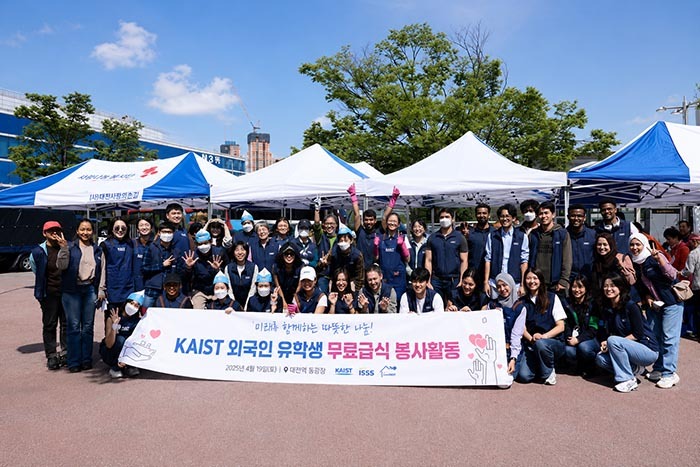
Your university should usually be your first stop. International offices, student affairs departments, volunteer clubs, and student organizations regularly share opportunities that are easier for international students to join because the university already understands their situation.
Programs can include helping at international events, supporting multicultural families, environmental activities, cultural exchange, mentoring, community service, and assistance at local festivals. Some universities also organize group volunteering, which can be much less intimidating if your Korean is still limited.
The Korean government’s Study in Korea service also recommends contacting your school directly for information about volunteer communities and participation opportunities.
Learn How the 1365 Volunteer Portal Works
One website worth knowing is the 1365 Volunteer Portal, Korea’s nationwide volunteer platform. It allows users to search for opportunities according to location, field, schedule, and eligibility, then apply for suitable activities.
The basic process is straightforward. You create an account, search available programs, check the participation requirements carefully, submit an application, and wait for approval when required. After completing registered activities, your volunteer history can also be managed through the system, and participation certificates can be issued.
For international students, registration or identity verification can sometimes be the frustrating part. If you encounter difficulties because of identification or authentication, ask your university’s international office or contact the volunteer organization before giving up.
There Are More Volunteer Organizations Than You Might Expect
Students sometimes search only for large charities, but Korea has volunteer opportunities throughout local communities. Schools, universities, libraries, museums, community centers, district offices, social welfare centers, and children’s centers can all be involved.
The Seoul Volunteer Center reports around 6,000 volunteer organizations in Seoul and roughly 35,000 nationwide within the volunteer network it describes.
This means you do not necessarily need to travel across Seoul or another city every weekend. Search near your university or home first because consistent local volunteering is usually easier to maintain than an impressive program requiring a two-hour commute.

What Kind of Volunteer Work Can International Students Do?
The available activities vary considerably. You might help children with learning activities, assist at community events, participate in environmental cleanups, support elderly residents, help with festivals, work with multicultural communities, or participate in cultural exchange programs.
Your language can also become an advantage. A student who speaks English, Spanish, Vietnamese, Chinese, Arabic, French, or another language may be useful at international events or programs involving foreigners and multicultural families.
In 2026, Seoul even recruited foreign residents for its Global Baro Volunteer Corps, showing that some Korean volunteer initiatives are specifically designed to include international participants.
You Do Not Need Perfect Korean
Many students hesitate because they think volunteering requires fluent Korean. Some activities certainly require strong communication skills, especially when working directly with children, elderly people, or vulnerable individuals, but plenty of opportunities can be performed with intermediate or even relatively basic Korean.
Environmental activities, event support, sorting donated items, festival assistance, and some international programs may have lower language requirements. Always read the individual listing because requirements are determined by the organization rather than by one universal rule.
Volunteering can actually become part of your Korean-language education. Classroom Korean teaches you grammar, while community activities force you to understand real instructions, accents, expressions, and everyday conversation.
Local Government Offices Are Another Good Place to Look
If your university does not have anything suitable, check your city hall, district office, community center, or local volunteer center. Study in Korea officially recommends checking local community centers, district offices, and city halls for recruitment announcements, and students can also visit these offices to ask about participation.
Students living in Seoul can also use the Seoul Volunteer Center, which directs volunteers toward the nationwide 1365 system as well as programs such as Seoul Donghaeng for university students and young adults.
Other Korean cities and provinces have their own local organizations and programs, so do not assume volunteering is mainly a Seoul opportunity.
Check the Requirements Before Applying
Never apply simply because the title sounds interesting. Some programs require a certain level of Korean, a minimum age, orientation, specific clothing, regular attendance, or a commitment lasting several weeks or months.
This becomes particularly important when volunteering with children or organizations providing social services. A program may prefer someone who can return every week rather than a student looking for a single afternoon of volunteer experience.
Read the schedule carefully before applying. In Korea, failing to appear after receiving confirmation can create problems for the organization and may affect your ability to participate again.
Volunteer Work and Paid Work Are Not the Same
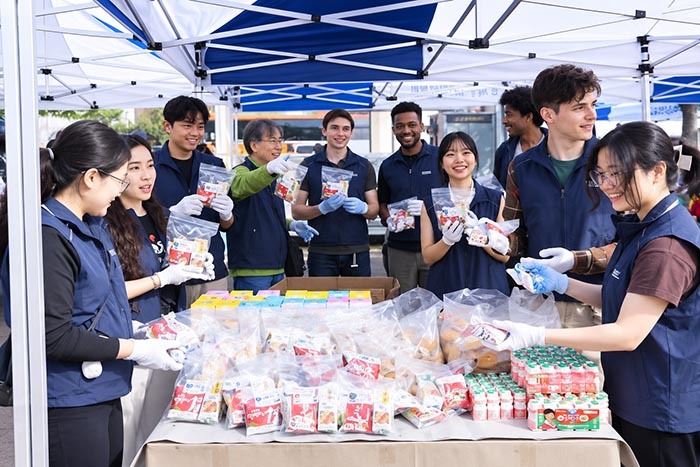
International students should also understand the difference between genuine unpaid volunteering and work that is effectively employment. Receiving wages or performing activities that resemble paid employment can bring immigration and part-time work rules into the picture.
Study in Korea distinguishes volunteering from internships and industry projects, noting that certain external projects require a Part-Time Work Permit.
If an organization offers money, regular employment-style duties, or anything that makes you unsure whether the activity is genuinely volunteering, check with your university’s international office or Korean immigration authorities before participating.
Keep a Record of Your Volunteer Activities
If you volunteer through a recognized system, make sure your participation is recorded correctly. The 1365 system allows volunteers to manage participation history and obtain confirmation of registered activities.
This can be useful later when applying for scholarships, internships, university programs, or jobs. More importantly, consistent volunteering can give you something meaningful to discuss during interviews because you have actually worked with people outside the international student community.
A certificate is useful, but the experience behind it is more valuable.
Choose Something You Can Continue
The biggest mistake is choosing volunteer work only because it looks impressive on a resume. If you dislike working with children, do not commit to children’s education simply because you think employers will like it.
Choose something connected to your personality, major, language skills, or interests. An environmental science student might join ecological activities, while an education student could consider mentoring. Someone interested in international business might enjoy supporting multicultural or international events.
A few months of meaningful participation usually gives you much more than collecting several unrelated one-day certificates.
Why Volunteering Is Worth Doing in Korea
For an international student, volunteering offers something university life cannot always provide. You meet Koreans outside your classes, practice the language in unpredictable situations, learn how local organizations operate, and begin seeing Korea from the perspective of people who actually live in the community.
It can also change the way you feel about living here. Korea stops being simply the country where you attend university and becomes somewhere you have participated, contributed, and built relationships.
Start with your university, search the 1365 Volunteer Portal, and check your local volunteer center. You do not need perfect Korean or an impressive resume to begin.
You simply need to find a program that fits your abilities and show up when you say you will.