
Top Companies in Korea That Hire International Graduates
For international students graduating from a Korean university, finding a job in Korea is possible, but the market works differently from what many students expect. A degree from a Korean university helps, yet employers usually want something more specific, such as technical expertise, Korean language ability, knowledge of an overseas market, or the ability to work between Korean and international teams.
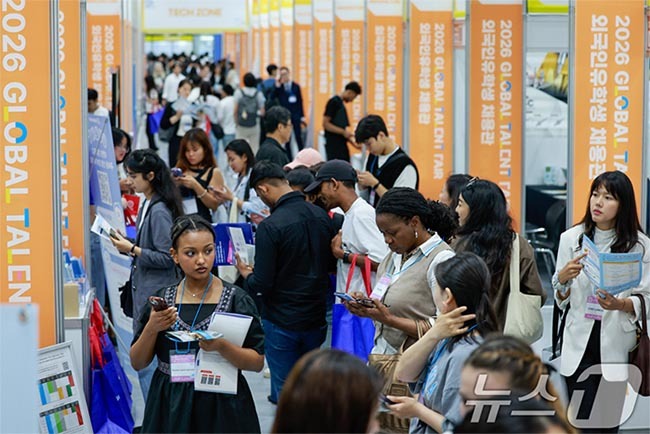
The good news is that Korea is actively trying to attract more global talent. KOTRA operates recruitment programs connecting Korean companies with foreign students and overseas professionals, including 2026 regional job fairs for international students. Its advanced-industry talent programs specifically target fields such as semiconductors, batteries, biotechnology, robotics, AI, defense, displays, and advanced mobility.
Samsung Is an Obvious Starting Point
Samsung is usually one of the first companies international graduates think about, and for good reason. The Samsung group includes businesses across electronics, semiconductors, displays, batteries, IT services, biotechnology, engineering, finance, and other industries.
Samsung’s official recruitment system separates opportunities into new employee, experienced employee, and internship categories, with companies including Samsung Electronics, Samsung Display, Samsung SDI, Samsung Electro-Mechanics, and Samsung SDS appearing in its recruitment structure.
For international graduates, technical degrees can be particularly useful, but opportunities are not limited to engineering. Overseas sales, marketing, software, research, business strategy, and international operations can also require people who understand markets outside Korea.
Hyundai Motor Group Has Strong International Career Potential
Hyundai Motor Group is much more than a traditional automobile company. Its businesses increasingly connect automobiles with electric vehicles, batteries, software, robotics, mobility services, manufacturing technology, and global market development.
This creates possibilities for graduates from engineering, computer science, data, business, economics, design, and international studies backgrounds. Foreign applicants can be especially useful in positions involving overseas markets because Hyundai and Kia operate across a huge international customer base.
A graduate who understands both Korea and a major overseas market can therefore offer something beyond language ability.
LG Offers Opportunities Across Several Industries
LG is another group international graduates should investigate rather than thinking only about LG Electronics. LG businesses operate across electronics, displays, batteries, chemicals, telecommunications, technology, and consumer products.
An engineering graduate might look toward research or manufacturing, while someone with a business background could explore international sales, marketing, purchasing, or market development.
For foreigners, the strongest applications usually connect their international background directly with the company’s business. Saying you understand consumers in Indonesia, India, the United States, or Europe is much more useful when you can explain how that knowledge could help a specific LG business.
SK Is Worth Watching for Technology and Advanced Industries
SK Group has businesses connected to semiconductors, telecommunications, energy, batteries, biotechnology, AI, and other technology-driven industries.
This matters because Korea’s demand for international talent is increasingly connected with advanced industries. KOTRA’s current overseas talent program specifically identifies semiconductors, displays, secondary batteries, biotechnology, robotics, defense, AI, and advanced mobility as priority fields.
International STEM graduates should therefore look beyond traditional graduate recruitment and pay attention to specialized research, engineering, data, software, and technology positions.
NAVER Can Be Attractive for Global and Tech-Oriented Graduates
NAVER is particularly interesting for international graduates interested in software, AI, online services, content, product development, research, and global digital businesses.
Its official career system explicitly allows registration by foreigners residing either inside or outside Korea, and its recruitment listings include internship and global-related categories.
NAVER affiliates can also create interesting opportunities. For example, a 2026 SNOW recruitment posting involved analyzing global users and trends across markets including Korea, Japan, and the United States. That is exactly the kind of position where understanding another culture can become professionally valuable.
POSCO and Industrial Companies Should Not Be Ignored
POSCO may not immediately come to mind for international students interested in Korea, but industrial companies can offer excellent long-term careers.
Korean manufacturers operate enormous international supply chains. They purchase raw materials, operate overseas facilities, export products, manage international customers, and coordinate projects across multiple countries.
Graduates in materials science, mechanical engineering, chemical engineering, supply-chain management, international business, and related areas can therefore find opportunities that are very different from the consumer-facing jobs foreigners usually imagine.
Korean Beauty, Gaming, and Entertainment Companies Are Becoming More Global
Large industrial groups are not the only option. Korea’s growing consumer industries need people who understand international audiences.
Amorepacific and other Korean beauty companies operate internationally, creating potential roles in overseas marketing, sales, e-commerce, product strategy, and regional market development.
Gaming companies such as KRAFTON also serve international users, while Korean entertainment businesses increasingly operate as global content companies rather than purely domestic agencies.
These industries can be particularly attractive for graduates whose strengths are languages, digital marketing, localization, international consumer research, or understanding specific overseas audiences.
Do Not Apply Only to Famous Korean Conglomerates
This is one of the most important pieces of advice I would give an international graduate in Korea. Samsung, Hyundai, LG, NAVER, and other famous companies receive enormous numbers of applications.
There are thousands of Korean small and medium-sized companies that also need international employees. A manufacturer entering the European market, a cosmetics company expanding into Latin America, or a software startup targeting Southeast Asia may value your nationality, language, and market knowledge much more directly.
KOTRA’s Global Talent Center exists specifically to connect Korean employers with overseas talent, and its recruitment support covers Korean companies interested in hiring qualifying international professionals.
Korean Language Ability Still Makes a Major Difference
A common misunderstanding is that working for a global Korean company automatically means working entirely in English. Even when customers and overseas partners communicate in English, internal meetings, documents, conversations, and coordination may still happen in Korean.
TOPIK 4 can be a useful target for graduates beginning a Korean career, but professional communication ability matters more than the certificate itself. TOPIK 5 or 6 can make a substantial difference for positions requiring frequent communication with Korean colleagues.
There are exceptions, particularly in software, research, and highly international teams, but stronger Korean almost always gives you more choices.
Your International Background Needs to Solve a Business Problem
Simply being foreign is not a qualification. The strongest international graduates understand how to turn their background into something commercially useful.
Instead of saying, “I am American and speak English,” explain that you understand American consumers and can help a Korean company communicate with U.S. customers. Instead of simply saying you are Vietnamese, show how your Vietnamese language ability and market knowledge could support expansion into Vietnam.
Combine that advantage with engineering, software, sales, marketing, design, research, finance, or another professional skill, and your profile becomes much stronger.
Where International Graduates Should Actually Look
Start with the official career pages of companies you genuinely want to join, but do not depend entirely on them. University career centers, professors, internships, Korean recruitment platforms, industry exhibitions, and international student job fairs can reveal opportunities that never reach foreign-language job websites.
KOTRA is particularly worth watching. In 2026 it has continued organizing regional recruitment events specifically connecting Korean employers with international students, including events held with universities such as KAIST, Changwon National University, and Pusan National University.
The smartest strategy is not sending the same resume to fifty famous corporations. Identify companies that genuinely need your combination of professional skills, language ability, and international knowledge.
That is where being an international graduate in Korea can change from a disadvantage into a reason to hire you.