
Do Foreigners Get Along With Korean Coworkers?
One of the biggest concerns many foreigners have before accepting a job in South Korea is not the work itself. It is whether they will fit in with their Korean coworkers. Questions about communication, workplace culture, friendships, and daily interactions often create more anxiety than the job description.
After living in Korea and meeting professionals from many different countries, I have discovered that most of these concerns become much smaller once people begin working. Korean workplaces certainly have their own customs and expectations, but successful relationships usually develop through mutual respect, patience, and open communication rather than perfect Korean language skills.
If you are planning to work in Korea, understanding what everyday relationships with Korean coworkers are really like can help you feel much more confident before your first day.
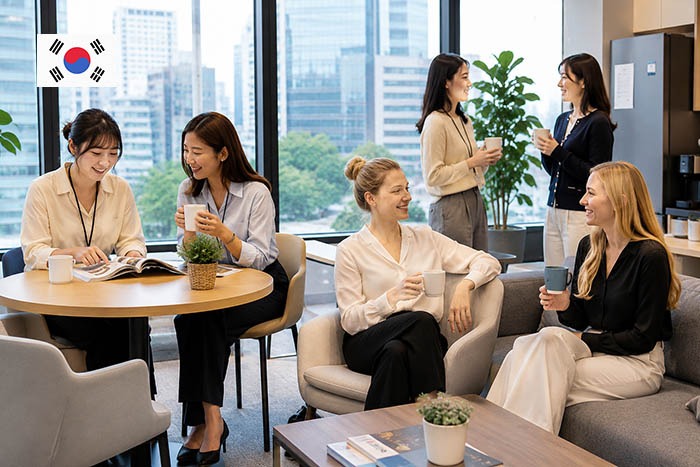
First Impressions Matter, But They Are Only the Beginning
Many foreigners worry about making mistakes during their first week at work. They wonder whether speaking imperfect Korean or not fully understanding workplace customs will create negative impressions.
Fortunately, most Korean coworkers understand that adjusting to a new country takes time. What usually matters more is showing sincerity, politeness, and a willingness to learn. Even simple efforts such as greeting colleagues warmly or asking respectful questions often leave a positive first impression.
Most people remember attitude much longer than small language mistakes.
Communication Improves Faster Than You Expect
During the first few weeks, communication may occasionally feel awkward. Different accents, unfamiliar vocabulary, and different communication styles naturally require some adjustment.
However, many foreign employees discover that daily conversations quickly become easier because coworkers gradually learn each other’s communication habits. Shared projects, lunch breaks, and everyday office discussions naturally build confidence over time.
Many lasting workplace friendships begin through these simple daily interactions rather than formal meetings.
Teamwork Is Highly Valued
One characteristic many foreigners notice about Korean workplaces is the importance placed on teamwork.
Rather than focusing only on individual achievements, many Korean companies encourage employees to cooperate closely and support each other throughout projects. Helping colleagues complete tasks is often viewed as a normal part of professional responsibility.
Foreign employees who demonstrate reliability and cooperation usually earn trust very quickly. Being a supportive teammate often matters just as much as technical ability.
Respect Goes Both Ways
Respect is one of the foundations of Korean workplace culture. This includes speaking politely, arriving on time, listening carefully during meetings, and treating colleagues professionally.
At the same time, respect is not one sided. Korean coworkers generally appreciate foreign employees who bring new ideas, international experience, and different perspectives to the team. When both sides remain open minded, cultural differences often become strengths rather than obstacles.
Lunch Can Build Strong Relationships
One of the simplest ways to become closer with Korean coworkers is by joining them for lunch. Many offices eat together regularly, providing opportunities to talk about hobbies, travel, family, sports, or everyday life outside of work. These informal conversations often feel much more relaxed than discussions during meetings.
Foreign employees who participate in these moments often discover that workplace relationships become warmer much faster than expected. Sometimes the strongest professional connections begin over a shared meal.
Language Is Helpful, But Effort Matters More
Many newcomers worry because they cannot speak fluent Korean. While language certainly helps, coworkers usually appreciate sincere effort more than perfect pronunciation. Learning simple greetings, workplace vocabulary, and everyday expressions demonstrates respect for the local culture.
Each small improvement makes communication easier and also shows your colleagues that you are committed to becoming part of the team. Language learning becomes a shared experience rather than a source of embarrassment.
Different Communication Styles Can Be Misunderstood
People from different cultures often express opinions in different ways. Some foreigners come from workplaces where direct feedback is considered normal, while some Korean workplaces prefer more indirect communication, especially when discussing sensitive topics.
Understanding these differences prevents unnecessary misunderstandings. Rather than assuming one style is correct, successful professionals learn to adapt depending on the situation. Flexibility often becomes one of the greatest strengths in an international workplace.
Making Friends Takes Time
Many people hope to become close friends with coworkers immediately after joining a company.
- Real friendships usually develop more gradually.
- Working together on projects.
- Sharing coffee breaks.
- Attending company dinners.
- Celebrating successful projects.
These shared experiences slowly build trust that often extends beyond the office. Patience is one of the most valuable qualities for anyone building relationships in a new country.
Company Dinners Are Changing
Foreigners often hear stories about mandatory company dinners and long evenings after work.
While these traditions still exist in some workplaces, many Korean companies have changed significantly over the past decade. Younger generations increasingly value work life balance, and many organizations now hold shorter or optional gatherings.
If you attend these events, simply participating in conversations and showing interest in your coworkers is usually enough. Nobody expects you to become an expert in Korean culture overnight.
Mistakes Are Part of the Learning Process
Every foreign employee makes cultural mistakes at some point. Perhaps you accidentally use the wrong honorific expression, misunderstand office etiquette, or misinterpret a social situation.
Most Korean coworkers recognize that these mistakes are part of adapting to a different culture. Sincere apologies, curiosity, and a willingness to improve are almost always appreciated. People generally remember your attitude far more than the mistake itself.
Foreign Perspectives Are Increasingly Valued
As Korean companies continue expanding internationally, many organizations actively seek employees who understand global markets and international communication.
Foreign professionals often contribute valuable ideas about overseas customers, multicultural teamwork, digital marketing, product development, and international business strategies.
Rather than trying to become exactly like everyone else, many successful foreign employees discover that their international background becomes one of their greatest strengths.
The Best Workplace Relationships Are Built Naturally
Some newcomers try too hard to fit in immediately. In reality, the strongest workplace relationships usually develop naturally through everyday cooperation, honesty, and mutual respect.
Simply doing your job well, helping colleagues when possible, remaining positive, and showing appreciation gradually creates trust that lasts far beyond your first few months. Authenticity always creates stronger relationships than pretending to be someone you are not.
Final Thoughts
So, do foreigners get along with Korean coworkers? In most cases, the answer is yes. Like any workplace anywhere in the world, building strong professional relationships takes time, communication, and mutual understanding. Cultural differences certainly exist, but they rarely prevent people from working successfully together.
After living in Korea and meeting professionals from many different countries, I have found that the happiest foreign employees are usually the ones who remain curious instead of judgmental.
They ask questions, respect local customs, continue improving their Korean language skills, and appreciate the opportunity to learn from their colleagues. In return, they often discover supportive teams, lasting friendships, and rewarding careers that become one of the most meaningful parts of their life in Korea.