Life as a Muslim Worker: Halal Food and Prayer Rooms in Korean Companies
Every year, more Muslim professionals and skilled workers choose South Korea as a place to build their careers. Some arrive as engineers, factory workers, researchers, IT specialists, or university graduates, while others come through employment programs designed to fill labor shortages across different industries.
One of the biggest concerns before arriving is rarely about the job itself. Instead, many people ask practical questions about daily life. Will I be able to find halal food? Is there a place to pray at work? Will my employer understand my religious practices?
After spending time in Korea and speaking with Muslim workers from countries such as Indonesia, Malaysia, Pakistan, Bangladesh, Uzbekistan, and several Middle Eastern nations, one thing becomes clear. Korea is not a Muslim majority country, but it has become much more accommodating than many newcomers expect.
Understanding what life is really like before arriving helps reduce unnecessary anxiety and allows workers to prepare with realistic expectations.
Korea’s Muslim Community Is Growing Every Year
Although Muslims remain a small percentage of Korea’s population, the community has expanded steadily over the past decade. International students, engineers, researchers, business professionals, skilled workers, and tourists have all contributed to this growth.
As more Muslims have settled in Korea, businesses have gradually adapted by offering additional halal food options, multilingual services, and facilities that better accommodate religious practices.
This gradual change is especially noticeable in larger cities and industrial regions where foreign workers are employed.
Finding Halal Food Is Easier Than Before
One of the first questions Muslim workers ask is about food. Traditional Korean cuisine includes many dishes prepared with pork or ingredients that may not meet halal requirements. This can seem intimidating before arriving.
Fortunately, the situation has improved significantly. Large supermarkets in some cities now carry imported halal products, while specialty grocery stores sell meat, spices, noodles, frozen meals, and other familiar ingredients from Muslim majority countries.
Restaurants serving halal certified or Muslim friendly meals have also increased, particularly in Seoul, Busan, Incheon, and neighborhoods with larger international communities. Many workers eventually develop a comfortable routine by cooking at home during the week and visiting halal restaurants on weekends.
Prayer Rooms Are Becoming More Common
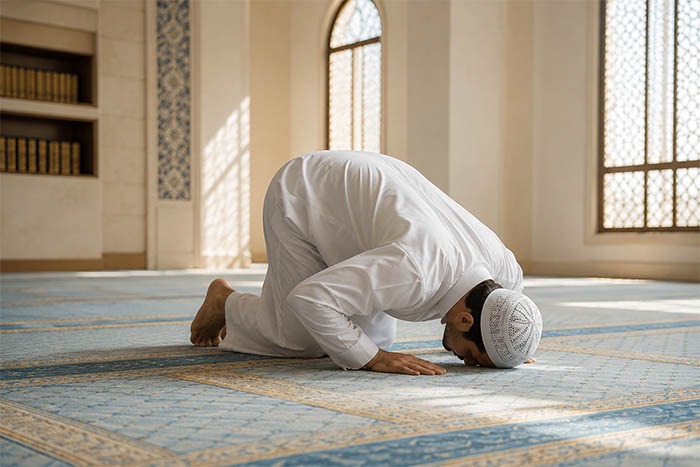
Another common concern involves daily prayers. Not every Korean workplace has a dedicated prayer room, particularly smaller companies. However, many larger corporations, universities, research institutes, airports, and international facilities now provide quiet spaces that employees can use for prayer.
Some employers allow workers to use meeting rooms or private spaces during prayer times after discussing the arrangement with supervisors.
The most successful experiences usually begin with respectful communication. Many Korean employers appreciate learning about religious practices and are willing to find practical solutions whenever possible.
How Korean Employers View Religious Diversity
Many foreigners worry that practicing their religion might create problems at work. In reality, most Korean employers are more interested in professionalism, reliability, teamwork, and job performance than in an employee’s religious background.
If workers communicate respectfully about dietary requirements or prayer schedules, many managers are willing to accommodate reasonable requests whenever business operations allow.
As international recruitment continues expanding, companies have become increasingly familiar with employees from diverse cultural and religious backgrounds. This growing experience has made many workplaces more inclusive than they were only a decade ago.
Ramadan While Working in Korea
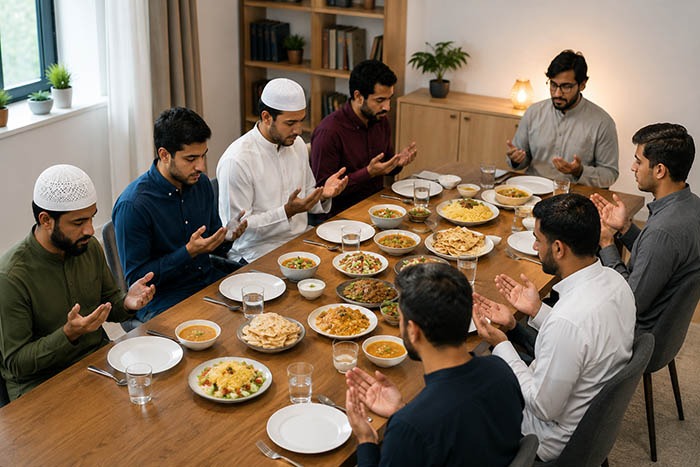
Ramadan is often one of the biggest adjustments for Muslim employees. Fasting while working full time can be physically demanding, especially during busy production schedules or outdoor work in the summer.
Many experienced Muslim workers prepare carefully by maintaining healthy sleep habits, eating balanced meals before sunrise, and staying hydrated during non fasting hours.
Coworkers often become curious about Ramadan and ask respectful questions. These conversations frequently become opportunities for cultural exchange and greater understanding within the workplace.
Although fasting requires discipline, many Muslim professionals successfully complete Ramadan while continuing their regular work responsibilities.
Making Friends With Korean Coworkers
One pleasant surprise for many Muslim workers is the kindness shown by Korean colleagues. Coworkers often become interested in learning about different cultures, traditional foods, languages, and religious customs.
Some even look for halal restaurants when organizing team meals so everyone can participate comfortably. While misunderstandings occasionally happen because of unfamiliarity, they are usually resolved through open and respectful communication.
Many long term foreign workers say their Korean coworkers eventually become close friends who genuinely respect their beliefs.
Challenges You May Encounter
Living in Korea is rewarding, but it is not completely without challenges. Outside major cities, halal restaurants may be limited, making home cooking more practical. Some smaller companies may not have dedicated prayer facilities, requiring flexible arrangements during working hours.
Language barriers can also make it more difficult to explain dietary restrictions or religious practices when first arriving. Fortunately, these challenges usually become easier as workers improve their Korean language skills and establish routines in their local communities.
Tips for Muslim Workers Before Arriving
Preparation makes daily life much easier. Research halal grocery stores and nearby mosques before choosing housing. Learn a few basic Korean phrases related to food allergies, pork, and religious dietary restrictions.
Connect with Muslim community groups through local organizations or university networks, as they often share practical information about restaurants, grocery stores, and community events.
Most importantly, discuss any important workplace needs respectfully with your employer after arriving rather than assuming accommodation will or will not be possible.
How Korea Continues Becoming More Muslim Friendly
South Korea has changed noticeably over the past several years. International tourism, global business, foreign investment, and multicultural communities have encouraged many businesses and public institutions to become more aware of Muslim visitors and residents.
Airports, shopping centers, universities, and tourist destinations increasingly provide prayer facilities, multilingual information, and Muslim friendly services. While Korea still has room for improvement, the overall direction has been positive, making life considerably easier for Muslim workers than it was in the past.
Final Thoughts
Working in South Korea as a Muslim may feel unfamiliar at first, but thousands of professionals and skilled workers have successfully built comfortable lives here while continuing to practice their faith.
Finding halal food, arranging prayer time, and adapting to a different culture all require some preparation, but they are no longer the major obstacles many people imagine before arriving.
The key to a successful experience is approaching Korea with realistic expectations, maintaining open communication with employers, and remaining willing to learn about a new culture while sharing your own.
For many Muslim workers, Korea eventually becomes more than just a place of employment. It becomes a country where professional opportunities, personal growth, and cultural understanding come together in meaningful ways.