
Indian Dating Culture: Love Marriage vs. Arranged Marriage
If you ask people outside India how most Indians get married, many will immediately answer, “Arranged marriage.” While that answer contains some truth, it no longer tells the whole story. India is changing rapidly, especially in large cities where education, technology, and global culture have influenced the younger generation.
As someone living in Korea who has met many Indian students, engineers, researchers, and professionals working here, I have had countless conversations about relationships and marriage. One thing quickly became clear. India is incredibly diverse, and dating culture varies greatly depending on family background, religion, education, region, and personal values.
Understanding this diversity helps foreigners avoid stereotypes and appreciate how modern Indian relationships really work.
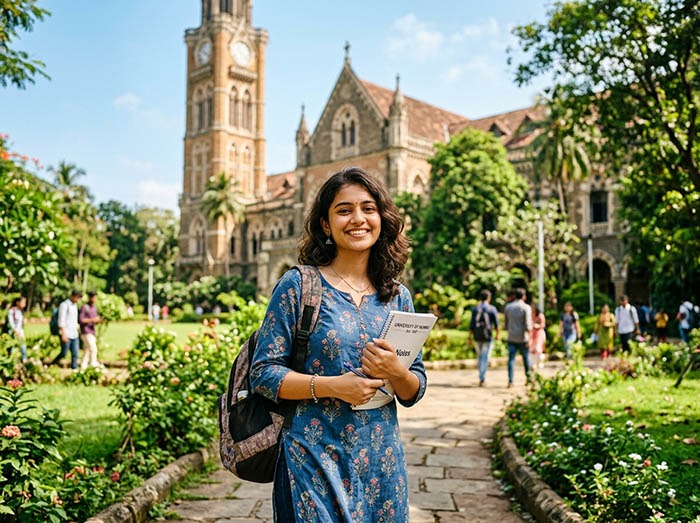
India Has Two Marriage Traditions Living Side by Side
One of the most fascinating things about India is that love marriages and arranged marriages exist together. Neither system completely replaces the other.
Many young Indians meet their partners through university, work, or friends and choose to marry for love. At the same time, many families still believe parents should play an important role in helping their children find a compatible life partner.
Rather than seeing these approaches as opposites, many Indian families today find a balance between personal choice and family involvement.
Love Marriage Is Becoming More Common
Over the past two decades, love marriages have become increasingly common, particularly in India’s major cities.
Young professionals spend more time in universities, multinational companies, and online communities where they naturally meet people from different backgrounds. Dating apps and social media have also made it much easier to form relationships independently.
Even when couples choose each other first, they often seek their parents’ blessing before getting married because family approval remains deeply valued.
Arranged Marriage Is Different Than Many Foreigners Imagine
Many people outside India picture arranged marriage as two strangers forced into marriage without any choice. In reality, modern arranged marriages are often much more flexible.
Parents may introduce potential partners based on education, career goals, religion, language, family values, or lifestyle preferences. The couple usually spends time talking, meeting, and deciding whether they feel compatible.
In many cases, both individuals have the right to decline the match if they do not feel comfortable moving forward.
Family Plays a Bigger Role Than in Many Western Countries
One major difference between Indian and many Western dating cultures is the influence of family.
Marriage is often viewed as a union between two families rather than simply two individuals. Parents, grandparents, and close relatives may all become involved in discussions about compatibility, future plans, and long-term stability.
For foreigners, this level of family participation may feel unusual at first, but for many Indians it represents love, support, and responsibility rather than control.
Religion and Tradition Still Matter
India is home to many religions including Hinduism, Islam, Christianity, Sikhism, Buddhism, Jainism, and others.
Religion can influence wedding ceremonies, family expectations, dietary habits, and important festivals. Some families prefer their children to marry within the same religious community, while others are becoming increasingly open to interfaith marriages.
The experience varies greatly from one family to another, making it impossible to generalize about all Indian relationships.

Education Has Changed Dating Culture
Education has transformed the way many young Indians approach relationships.
University life exposes students to people from different regions, languages, and social backgrounds. Many graduates develop more independent views about choosing a life partner while still respecting family traditions.
This combination of personal freedom and family respect creates a unique dating culture that many foreigners find both interesting and admirable.
Career Stability Is Often Considered Important
In many Indian families, marriage discussions include practical questions about career, financial stability, and long-term goals.
This does not mean romance is unimportant. Instead, many people believe love becomes even stronger when both partners are prepared for life’s responsibilities.
Many successful couples build relationships based on both emotional connection and shared plans for the future.
Long Distance Relationships Are Increasing
As more Indians study and work overseas, long distance relationships have become much more common.
Many Indian professionals now live in countries like South Korea, the United States, Canada, Australia, Germany, and Singapore. Couples often maintain relationships across continents while building their careers.
Technology has made international relationships much easier to maintain than in previous generations.
Dating Expectations Continue to Evolve
Younger generations generally enjoy greater freedom than their parents did.
Many couples go on dates, travel together with friends, and spend time getting to know each other before discussing marriage. At the same time, respect for family remains stronger than in many Western societies.
This combination of modern dating and traditional values makes India’s relationship culture unique.
What Foreigners Should Know Before Dating an Indian
If you are interested in dating someone from India, the first thing to remember is that every individual is different.
Avoid assuming that every Indian expects an arranged marriage or follows the same traditions. Instead, ask questions with genuine curiosity and listen carefully to your partner’s experiences.
Understanding their family background, personal beliefs, and future expectations will help you build a much stronger relationship.
Respect for parents, honesty, patience, and open communication are qualities that are appreciated across many Indian families regardless of religion or region.
India Is Changing Without Losing Its Traditions
One of the most remarkable things about India is how successfully it combines ancient traditions with modern life.
Young people are building careers around the world, embracing new opportunities, and forming relationships in ways that previous generations could hardly imagine. Yet many still value family bonds, cultural heritage, and community support.
This balance between tradition and progress is one reason Indian society continues to fascinate people around the world.
Whether a couple chooses a love marriage or an arranged marriage, lasting relationships are built on the same foundation. Mutual respect, trust, communication, shared values, and commitment remain far more important than how two people first meet.
For anyone hoping to understand Indian dating culture, the most valuable lesson is simple. There is no single Indian way to fall in love. India is a country of extraordinary diversity where every family has its own story, and every couple writes their own journey.