
How Indian Women Adapt to Life in Korea
Moving to another country always brings excitement, uncertainty, and countless new experiences. For many Indian women who arrive in South Korea as students, professionals, researchers, entrepreneurs, or through marriage, daily life becomes a journey of constant learning. While Korean culture can feel very different at first, many eventually discover that adapting is less about changing who they are and more about understanding how Korean society works.
Every person’s experience is unique, but there are several patterns that many Indian women commonly describe after spending time in Korea.
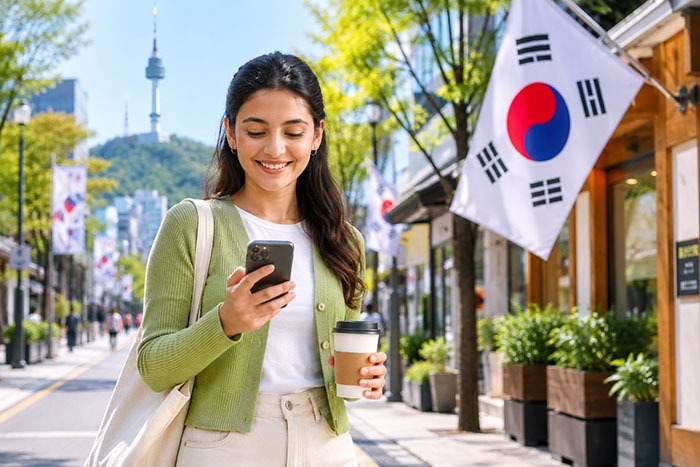
The First Weeks Feel Completely Different
The first impression of Korea is often how organized and efficient everything feels. Public transportation runs on time, streets are generally clean, and everyday services are highly digital.
At the same time, the language, food, and social customs can feel unfamiliar. Even simple tasks like opening a bank account or ordering food may require patience during the first few weeks.
Learning Basic Korean Changes Everything
Many newcomers initially rely on English, especially in larger cities. However, they quickly discover that even basic Korean makes everyday life much easier.
Simple greetings, ordering meals, asking for directions, and understanding signs help build confidence. More importantly, Korean people often appreciate the effort, even when someone’s pronunciation is not perfect.
Making Friends Takes Time
Unlike some countries where casual conversations with strangers happen frequently, friendships in Korea usually develop more gradually.
Many Indian women build their first social circles through universities, workplaces, language exchange groups, community organizations, or multicultural support centers. Once friendships become established, they often become very dependable and long lasting.
Food Becomes an Adventure
One of the biggest adjustments involves food. Korean cuisine is very different from Indian cuisine in terms of spices, flavors, cooking methods, and side dishes.
Fortunately, international grocery stores, Indian restaurants, and online shopping have become much more accessible in recent years. Many women also enjoy combining Korean ingredients with traditional Indian recipes, creating meals that feel familiar while embracing local ingredients.
Safety Is One of the Biggest Surprises
Many Indian women mention feeling comfortable walking alone during the evening in many Korean neighborhoods.
While personal safety should never be taken for granted anywhere in the world, Korea’s relatively low crime rate gives many residents greater confidence when using public transportation, shopping late at night, or returning home after work.
The Workplace Has Its Own Culture
For professionals, adapting to Korean work culture can take time.
Meetings often emphasize teamwork, respect for senior colleagues, careful communication, and long term planning. Understanding these expectations helps international employees integrate more smoothly into their organizations.
At the same time, many international companies in Korea are becoming increasingly diverse and flexible as they hire more foreign professionals.
Universities Offer Strong International Support
Indian students studying in Korea often find that universities provide orientation programs, language classes, international offices, counseling services, and student clubs.
Joining campus activities helps students improve their Korean, build friendships, and gain a deeper understanding of local culture beyond the classroom.
Fashion and Personal Style Naturally Evolve
Many Indian women notice that their clothing choices gradually change after living in Korea.
Comfortable casual fashion, neutral colors, oversized jackets, sneakers, and seasonal layering become common because they fit both the weather and local fashion trends.
This does not mean giving up personal identity. Instead, many people enjoy blending Korean fashion with their own cultural style.
Building Confidence Through Small Daily Successes
Adapting rarely happens overnight.
Successfully using public transportation without assistance, visiting government offices independently, speaking Korean at a café, or helping newly arrived international students become meaningful milestones.
These everyday achievements slowly transform an unfamiliar country into a place that feels like home.
Balancing Two Cultures
Most Indian women living happily in Korea do not replace one culture with another.
Instead, they celebrate Indian festivals with friends, cook traditional meals, stay connected with family back home, while also enjoying Korean holidays, seasonal festivals, local traditions, and everyday customs.
Over time, many discover that they can belong to both cultures without sacrificing either one.
Career Opportunities Continue to Expand
South Korea’s growing technology, research, education, healthcare, engineering, and international business sectors have created more opportunities for skilled foreign professionals.
Indian women with expertise in information technology, engineering, biotechnology, education, finance, research, and business increasingly find rewarding careers in Korea. Employers also value multicultural experience and strong English communication skills.
Support Networks Make a Big Difference
One reason many newcomers adapt successfully is the growing number of support systems available throughout Korea.
Universities, multicultural family centers, foreign resident communities, embassies, professional associations, and online groups provide practical advice and emotional support during the adjustment process.
Knowing where to ask for help often makes adapting much less stressful.
Life Becomes Familiar Faster Than Expected
The first few months may feel challenging, but many Indian women are surprised by how quickly routines begin to develop.
Favorite cafés, nearby parks, trusted grocery stores, friendly neighbors, reliable public transportation, and familiar workplaces gradually replace uncertainty with comfort.
For many, Korea eventually becomes more than a temporary destination. It becomes a second home where personal growth, professional opportunities, and meaningful friendships develop alongside a deeper appreciation for both Korean and Indian cultures. The adaptation process is rarely perfect, but it often becomes one of the most rewarding chapters of living abroad.