
The Filipino Community in Korea
For many people in the Philippines, South Korea first became familiar through television dramas, K Pop, and Korean food. Today, however, the connection between the two countries extends far beyond entertainment. Thousands of Filipinos now call Korea their home, whether they arrive as students, skilled professionals, factory workers, English teachers, entrepreneurs, or family members of multicultural households.
Over the years, the Filipino community has become an important part of Korea’s increasingly international society. Newcomers often discover that they are joining a well established network of people who support one another while building successful lives in a country that continues welcoming more international residents every year.
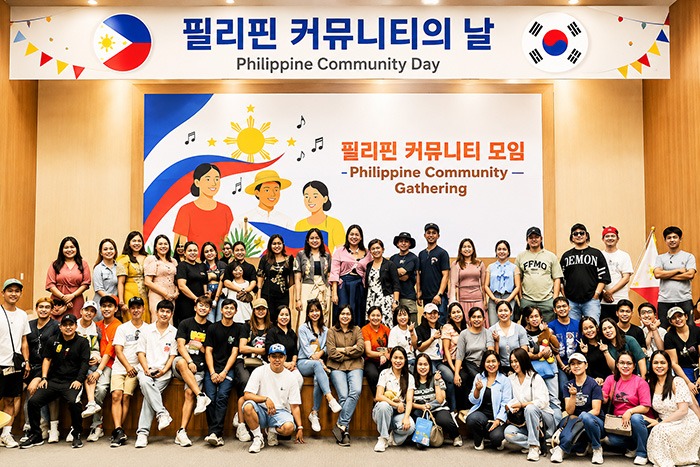
A Community That Continues to Grow
The Filipino population in Korea has steadily expanded as opportunities in education, employment, and international marriage have increased. While many people initially plan to stay only a few years, some eventually decide to build long term careers and raise families in Korea.
As the community has grown, support networks have also become stronger. New arrivals rarely have to begin their journey completely alone because experienced community members are often willing to share practical advice and encouragement.
Many Different Reasons Bring Filipinos to Korea
Not everyone arrives for the same purpose. Some students enroll in Korean universities, while others participate in language programs before continuing their education.
Many skilled workers contribute to manufacturing, agriculture, fisheries, construction, hospitality, healthcare, and other industries. Others come through multicultural marriages or family reunification, creating diverse experiences within the community.
Faith Remains an Important Connection
For many Filipinos, religious communities provide more than places of worship. Churches often become centers where newcomers meet friends, exchange information, celebrate holidays, and receive practical support during their adjustment to life in Korea.
Weekend gatherings frequently create a familiar atmosphere where people can speak their native languages while maintaining strong cultural traditions far from home.
Community Organizations Offer Practical Support
Various organizations and volunteer groups help Filipinos adjust to Korean society by providing information about employment, education, legal procedures, healthcare, language learning, and daily life.
These organizations often work alongside local governments and multicultural family support centers to assist newcomers as they adapt to unfamiliar systems and customs.
Learning Korean Opens New Opportunities
Although English is useful in many situations, learning Korean greatly improves everyday life. Simple conversations with neighbors, coworkers, shop owners, and classmates become easier while confidence gradually increases.
Language skills also create additional employment opportunities and strengthen relationships within local communities. Many Filipinos discover that learning Korean becomes one of their most valuable long term investments.
Food Keeps Cultural Traditions Alive
Even while enjoying Korean cuisine, many Filipinos continue preparing familiar dishes from home. Filipino grocery stores, international supermarkets, and online retailers make it easier to find ingredients for traditional recipes.
Sharing meals with friends becomes an important way of preserving cultural identity while introducing Korean neighbors to Filipino hospitality and cuisine.
Children Grow Up Between Two Cultures
Many multicultural families successfully combine Korean and Filipino traditions in everyday life. Children often grow up learning both languages while celebrating holidays from both countries.
This multicultural environment allows young people to develop broader cultural understanding and strong connections to both sides of their family heritage.
Work Brings Valuable Experience
Many Filipinos choose Korea because it offers opportunities to develop professional skills while earning international work experience. Industries across the country continue relying on talented foreign workers who contribute significantly to the Korean economy.
Beyond financial benefits, working in Korea often helps individuals improve technical abilities, communication skills, and cross cultural understanding that remain valuable throughout their careers.
Friendships Extend Beyond Nationality
Although Filipino communities provide important support, many residents also develop close friendships with Korean neighbors and people from other countries.
Universities, workplaces, sports clubs, volunteer organizations, and community events create natural opportunities to build relationships that cross cultural boundaries. These friendships often become one of the most rewarding parts of living in Korea.
Life Includes Both Challenges and Rewards
Adjusting to a new country always requires patience. Language barriers, cultural differences, homesickness, and unfamiliar systems can feel overwhelming during the first few months.
Fortunately, many newcomers discover that these challenges gradually become easier as they gain experience, improve their Korean language skills, and establish supportive social networks.
The Filipino Community Continues Strengthening Korea’s Diversity
South Korea has become much more internationally connected than it was only a generation ago. As this transformation continues, the Filipino community plays an increasingly meaningful role in education, business, healthcare, manufacturing, culture, and multicultural family life.
Many Filipinos contribute not only through their work but also by sharing their traditions, values, and warm sense of community. They help create stronger cultural understanding between Korea and the Philippines while enriching Korean society itself.
For those considering moving to Korea, one reassuring fact quickly becomes clear. You will not be starting your journey alone. A welcoming Filipino community already exists across the country, offering friendship, practical guidance, and encouragement. Combined with Korea’s modern infrastructure, educational opportunities, growing international environment, and strong multicultural support systems, this network helps many Filipinos build successful and fulfilling lives in South Korea.