How Foreign Women Adapt to Marriage Life in Korea
For many foreign women, marrying a Korean man is not simply about love. It often means moving to a new country, learning a new language, adapting to unfamiliar customs, and building a life far away from family and friends.
From the outside, the journey can seem exciting and romantic. Korean dramas, social media, and travel experiences often create an image of modern Korean life that looks comfortable and appealing.
The reality is more complex.
Marriage in Korea can be rewarding, fulfilling, and life changing, but it also comes with challenges that many women never anticipate before they arrive.
Having worked with multicultural families and international couples for many years, I have seen countless foreign wives successfully build happy lives in Korea. The women who adapt best are rarely those with perfect language skills or extensive cultural knowledge. More often, they are the women who remain patient, flexible, and willing to learn.
The First Year Is Usually the Hardest
Almost every foreign wife experiences an adjustment period after moving to Korea.
At first, everything feels new and exciting. Simple activities such as shopping, taking public transportation, ordering food, or visiting local markets can feel like adventures.
However, after the excitement fades, reality begins to appear. Language barriers become more noticeable. Cultural differences become clearer.
Homesickness often becomes stronger. Many women begin questioning whether they will ever feel completely comfortable.
This stage is normal.
The first year is often the most challenging because everything is unfamiliar. The good news is that most women gradually become more confident as they gain experience and develop routines.
Learning Korean Changes Everything
One factor consistently separates women who adapt quickly from those who struggle.
Language.
Many foreign wives initially depend on their husbands for communication. While this may work in the beginning, it can create frustration and dependence over time.
Learning Korean creates freedom. Simple conversations at grocery stores, hospitals, schools, banks, and government offices become possible. Women gain confidence because they no longer need someone else to handle every situation.
Perhaps more importantly, language helps build meaningful relationships with neighbors, relatives, and local communities. Even basic Korean ability can dramatically improve quality of life.
Relationships with In Laws Require Understanding
One area that surprises many foreign women is the role of family. In many Western countries, married couples often maintain considerable independence from their parents.
In Korea, family relationships may be more involved. Parents often remain important parts of their children’s lives. Family gatherings during holidays can be significant events. Relatives may offer advice on marriage, parenting, finances, and household matters.
Some foreign wives initially feel overwhelmed by these expectations.
Successful adaptation often comes from understanding that family involvement is usually intended as care and concern rather than interference. Open communication and mutual respect help prevent misunderstandings.
Daily Life Is Often More Modern Than Expected
Many foreign women arrive expecting traditional lifestyles based on outdated stereotypes.
Instead, they discover a highly modern society. Korean women actively participate in the workforce. Technology plays a major role in daily life.
Online shopping, food delivery, mobile banking, and digital services make many tasks incredibly convenient. Many foreign wives are pleasantly surprised by how efficient daily life can be. The modern lifestyle often makes adaptation easier than expected.
Building Independent Friendships Matters
One common mistake is relying entirely on a spouse for social interaction. The happiest foreign wives usually develop their own friendships and support networks.
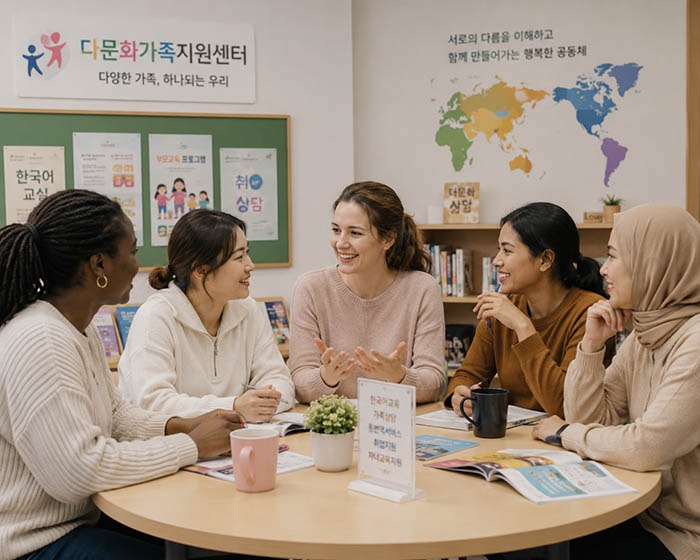
These friendships may include other foreign residents, Korean women, neighbors, parents from local schools, coworkers, or members of community groups.
Having independent relationships creates balance. It reduces loneliness and provides emotional support during difficult periods. Women who build strong social networks generally adapt much more successfully to life in Korea.
Understanding Korean Communication Styles Helps
Cultural misunderstandings often happen because people communicate differently.
Many foreigners come from cultures where direct communication is common. Korean communication can sometimes be more indirect. People may avoid saying no directly. They may prioritize harmony over confrontation. They may express disagreement in subtle ways.
Understanding these communication styles helps foreign wives navigate social situations more comfortably. What initially seems confusing often becomes easier with experience.
Raising Children Creates New Challenges and Opportunities
For women who become mothers in Korea, adaptation enters a new phase. Education becomes an important topic.
School systems may differ significantly from those in their home countries. Parents often become involved in school activities and educational planning.
At the same time, raising children in Korea offers unique advantages. Children often grow up bilingual.
They gain exposure to multiple cultures. They develop broader perspectives on the world. Many multicultural families view this as one of the greatest benefits of life in Korea.
Healthcare and Safety Provide Peace of Mind
Two areas frequently praised by foreign wives are healthcare and public safety.
Medical care is generally accessible and affordable. Hospitals are modern and efficient. Emergency services are reliable. Many women also appreciate Korea’s relatively low crime rates.
Being able to walk through neighborhoods at night or allow children greater independence provides a sense of security that contributes significantly to overall quality of life.
Adapting Takes Longer Than Most People Expect
Many women expect to feel completely comfortable within a few months. In reality, adaptation often takes years.
The first year focuses on survival. The second year often brings growing confidence. By the third year, many women begin feeling genuinely at home. Eventually, activities that once felt difficult become automatic.
- The language becomes easier.
- Cultural differences become understandable.
- Daily life becomes predictable.
This gradual transformation happens naturally over time.
Korea Becomes More Than a Place to Live
Perhaps the most interesting change happens slowly. Many foreign women arrive thinking of Korea as their husband’s country. Over time, it becomes their country too.
- They create routines.
- They build friendships.
- They celebrate holidays.
- They raise children.
- They contribute to their communities.
- The unfamiliar environment gradually becomes familiar.
For many women, Korea stops feeling like a place they moved to and starts feeling like home.
Successful Adaptation Is Not About Becoming Korean
The women who adapt most successfully do not abandon their own culture or identity. Instead, they learn how to balance two worlds.
They maintain connections to their home country while embracing life in Korea. They learn from cultural differences rather than resisting them. They remain open minded while staying true to themselves.
Marriage life in Korea is not always easy, but for many foreign women, it becomes one of the most rewarding chapters of their lives.
With patience, language learning, supportive relationships, and realistic expectations, foreign wives can build fulfilling lives that combine the best parts of both cultures.