
Korean Diet That Helps Lose Weight Fast
One thing many foreigners notice after spending time in Korea is this: people here generally eat a lot, but obesity rates still remain relatively lower than in many Western countries.
That surprises people.
Korean food includes rice, noodles, fried chicken, barbecue, convenience store snacks, and late-night eating culture. On paper, it doesn’t always sound like the perfect “diet country.” But once you actually live in Korea, you realize the real difference isn’t one magical food. It’s the overall eating habits and lifestyle patterns.
The Korean approach to weight management is usually less about extreme restriction and more about balance, portion awareness, and consistency. And honestly, that’s probably why Korean-style dieting became so globally popular recently.
According to global nutrition reports, Korean-inspired diets are increasingly recognized for emphasizing vegetables, fermented foods, balanced meals, and lower ultra-processed food consumption compared to many Western eating patterns.

Korean Meals Naturally Include More Side Dishes And Vegetables
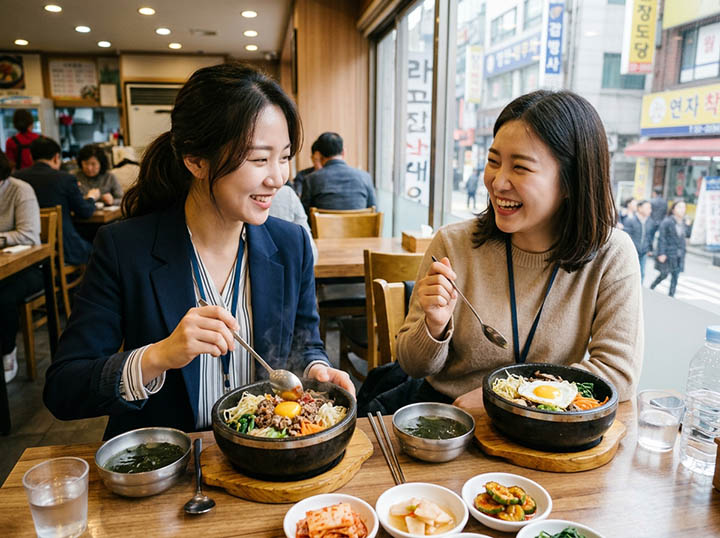
One of the biggest differences between Korean meals and many Western meals is variety.
Traditional Korean meals usually include:
- rice
- soup
- protein
- vegetables
- fermented side dishes
- small portions of multiple foods
Instead of one oversized main plate, Korean meals are built around balance and smaller portions spread across several dishes. That structure naturally encourages slower eating and more nutritional variety.
Kimchi, seasoned vegetables, seaweed, tofu, bean sprouts, spinach, radish dishes, and soups are all common parts of daily meals in Korea. These foods are generally lower in calories while helping people feel full longer. Researchers also continue studying fermented Korean foods like kimchi for their potential gut health benefits.
Portion Sizes In Korea Are Usually Smaller
Foreigners often notice portion sizes in Korea feel smaller compared to restaurants in the United States or parts of Europe. Even when people eat calorie-dense foods, meals are often shared or served in smaller individual portions.
This matters more than people realize. Many Korean meals focus on satisfaction without extreme fullness. Overeating until feeling physically uncomfortable is generally viewed less positively compared to some cultures where giant portions are normalized.
That doesn’t mean binge eating never happens in Korea. It absolutely does, especially with delivery culture growing rapidly. But overall, everyday eating patterns still tend to involve more portion awareness.
Korean Dieting Is Extremely Trend-Driven
One thing people should understand is that Korea also has intense beauty standards and dieting culture. Every few years, new diet trends explode online:
- sweet potato diets
- banana diets
- intermittent fasting
- high-protein diets
- low-carb Korean meal plans
- idol-inspired diets
Some are reasonable. Others are honestly unhealthy and unsustainable. Many K-pop idol diets that go viral internationally are not realistic long-term eating plans. Even Koreans criticize some of these extreme celebrity diets for being too restrictive.
Recent discussions in Korea increasingly focus on healthier and more sustainable approaches to weight management instead of crash dieting.
Why Korean Convenience Store Diet Foods Became Popular
One unexpected trend foreigners become obsessed with is Korean convenience store diet meals. In Korea, convenience stores sell:
- chicken breast packs
- protein drinks
- low-calorie lunch boxes
- boiled eggs
- salad bowls
- sweet potatoes
- high-protein snacks
Diet-friendly convenience food became a huge industry in Korea because busy office workers and students want quick but controlled meals.
Unlike traditional junk-food-heavy convenience stores in many countries, Korean convenience stores often feel surprisingly diet-conscious. This convenience factor is one reason many foreigners find it easier to maintain calorie control in Korea.
Walking Is A Bigger Part Of Korean Lifestyle
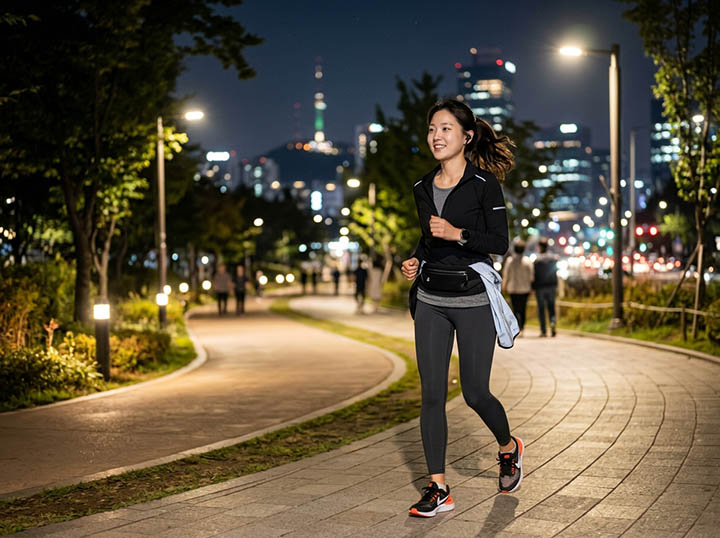
This part matters more than almost any specific food. People in Korea walk a lot. Even office workers who don’t actively exercise often:
- walk to subway stations
- climb stairs
- move between neighborhoods
- spend long hours outside
Seoul especially is designed around public transportation and walking.
Compared to highly car-dependent lifestyles, this daily movement significantly affects overall calorie expenditure without people necessarily realizing it. Many foreigners living in Korea notice they unintentionally lose weight simply because their daily activity level increases.
Late-Night Eating Exists, But So Does Balance
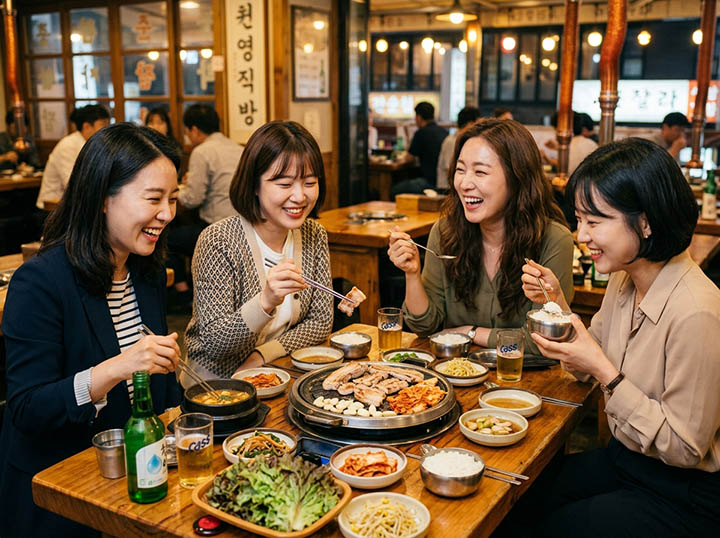
Foreigners often get confused by Korean eating culture because people here do eat late at night. Chicken, ramen, tteokbokki, and delivery food culture are huge parts of Korean social life.
But at the same time, many Koreans compensate by:
- eating lighter earlier meals
- walking more
- maintaining smaller portions overall
- drinking less sugary soda daily
- eating more soups and vegetables
The balance matters.
Korean diets are usually less centered around constant snacking throughout the day compared to some Western eating patterns.
Protein Became A Huge Trend In Korea
One major shift happening recently is Korea’s growing protein-focused diet trend. Younger Koreans are increasingly interested in:
- high-protein meals
- muscle maintenance
- healthy aging
- balanced nutrition
- gym culture
Protein cafés, protein drinks, and fitness-focused meal services have expanded rapidly across Seoul in recent years. This reflects a broader shift away from purely aesthetic dieting toward health-focused body management.
The Biggest Mistake Foreigners Make About Korean Diets
A lot of people online assume Koreans stay slim because of one secret food. That’s not really true. The real reasons are usually:
- portion control
- balanced meals
- regular walking
- social eating habits
- vegetable-heavy meals
- consistency over time
Most healthy-looking people in Korea are not following extreme diets every single day. They simply maintain habits that prevent constant overeating. And honestly, Korean food itself isn’t automatically low-calorie.
Korean barbecue, fried chicken, instant noodles, desserts, and sugary drinks can absolutely cause weight gain too. The difference is usually frequency and lifestyle balance.
Why Korean Diet Culture Became So Influential Globally
Korean dieting became internationally popular because it feels more realistic and lifestyle-based than many aggressive Western crash diets.
The focus is often on:
- moderation
- sustainability
- meal balance
- lighter cooking styles
- long-term habits
- maintaining energy
instead of punishing restriction.
Even Reddit communities discussing Korean weight-loss habits often point out that the everyday structure of Korean eating patterns feels easier to maintain long-term compared to extreme dieting cycles.
And after living in Korea for a while, you realize something important. Most people here don’t obsess over finding one miracle diet.
They simply build daily routines that naturally make overeating harder over time. That’s probably the real reason Korean dieting continues attracting so much global attention.