
Why Korean Men and Women Age So Differently From Westerners
If you’ve ever walked through the streets of Hongdae or Gangnam, you’ve likely experienced “age whiplash.” You see someone you’d bet is in their early twenties, only to find out they’re a parent of two in their late thirties.
It’s a phenomenon that has left Westerners scratching their heads for decades. While the easy answer is “genetics,” that’s only a small piece of the puzzle.
The real secret lies in a deeply ingrained cultural infrastructure that prioritizes skin health, metabolic management, and a diet that Western science is only just beginning to catch up with.
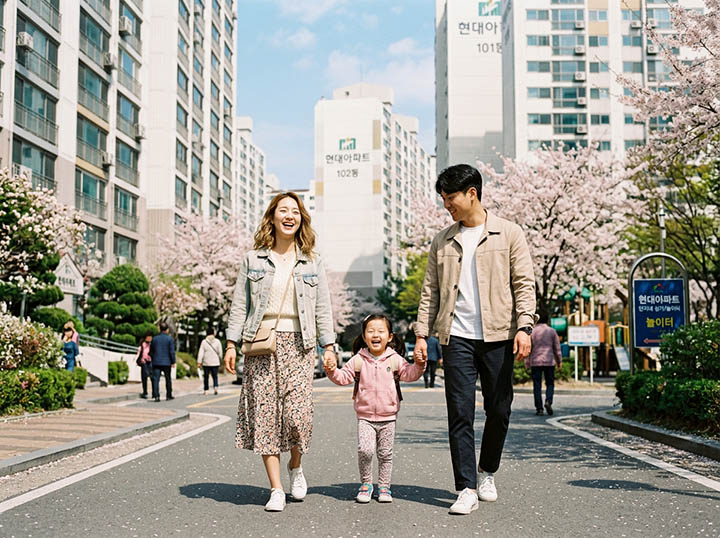
The Sun is the Enemy: A National Obsession with UV Protection
In many Western cultures, a golden tan is a sign of a healthy vacation. In Korea, it’s seen as the primary catalyst for skin damage. The difference in aging starts with how both cultures view the sun.
From a young age, Koreans are taught that sunscreen isn’t a “beach day” product; it’s a “whenever there is daylight” product. This isn’t just about avoiding wrinkles it’s about preventing the breakdown of collagen that leads to the sagging skin often seen much earlier in Western populations.
You’ll see people using sun-shields, umbrellas on sunny days, and even driving with arm sleeves. This radical prevention means the cumulative UV damage by age 40 is significantly lower than that of their Western counterparts.
Hansik: The Metabolic Advantage of Fermentation
The Korean diet, or Hansik, is arguably the most powerful anti-aging tool in the country. While the West struggles with the inflammatory effects of highly processed sugars and dairy, the traditional Korean meal is built on high-fiber vegetables and fermentation.
Kimchi, doenjang (soybean paste), and gochujang aren’t just condiments; they are probiotic powerhouses that maintain gut health.
Modern research in 2026 has increasingly linked gut microbiome diversity to “biological age.” Because the Korean diet keeps blood sugar spikes to a minimum avoiding the “glucose roller coaster” common in Western diets Koreans experience less glycation, a process where sugar molecules attach to proteins like collagen and make them brittle.
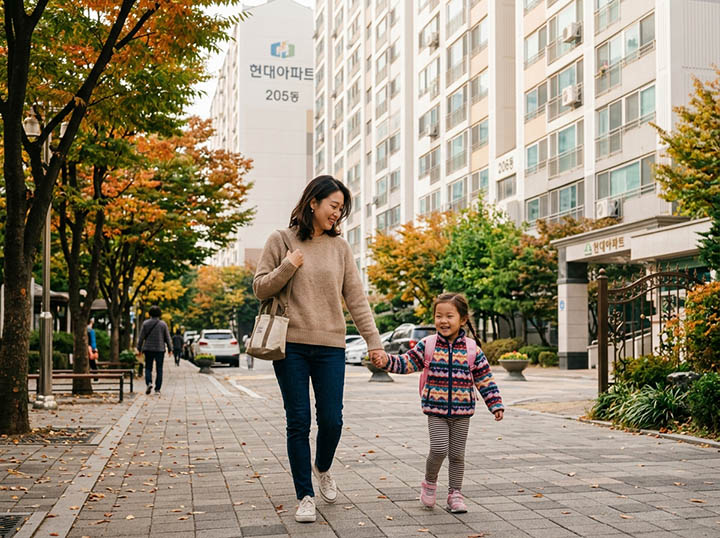
The Shift from “Baby Face” to “Slow Aging”
For a long time, the goal in Korea was “Dong-an” or having a baby face. However, the current trend has shifted toward “Slow Aging.” This philosophy focuses on maintaining the skin’s natural barrier rather than just chasing a youthful look through invasive procedures.
The K-beauty industry has moved away from harsh exfoliants and toward ingredients like PDRN (salmon DNA), exosomes, and centella asiatica. These ingredients focus on cellular repair and calming inflammation.
While many Western skincare routines focus on “correcting” damage with strong retinols that can sometimes irritate the skin, the Korean approach is about “supporting” the skin so the damage never happens in the first place.
Hydration and the “Inner Glow” Culture
If you look at the hydration habits, the difference is stark. In Korea, “moisturizing” is a multi-step ritual involving toners, essences, and serums that layer hydration. This creates the famous “glass skin” effect, which is essentially just a very healthy, well-hydrated skin barrier.
In contrast, Western routines often rely on a single heavy cream that sits on top of the skin. By keeping the skin plump with moisture from the inside out, fine lines are less likely to become deep-set wrinkles.
Furthermore, the ubiquity of humidifiers in Korean homes and offices helps combat the dry air that accelerates skin aging in many Western climates.

The Social Pressure to Maintain Vitality
Lastly, there is a socio-cultural element. In Korea, looking “well-maintained” is often tied to professional respect and self-discipline. This creates a high level of “beauty literacy” among both men and women.
It is perfectly normal for Korean men to have a five-step skincare routine or to use a “tone-up” cream with SPF. This lack of stigma around male grooming means that Korean men are proactive about their appearance in a way that is still relatively new in many parts of the West.
When everyone around you is prioritizing their health and skin, it becomes the baseline, not the exception. In the end, the “Korean glow” isn’t magic. It’s the result of a lifestyle that treats aging as something to be managed with grace, through a combination of ancient dietary wisdom and cutting-edge preventative science.