
The Ultimate Skin Barrier Guide for Steppe Winds
If you’ve ever lived through a dry, relentless wind season, you know your skin doesn’t just get dry it breaks down. Tightness, redness, flaking, and sudden sensitivity all point to one thing: your skin barrier is compromised.
Having worked with foreigners adjusting to life in Korea, especially those from Central Asia and colder inland regions, I’ve seen firsthand how steppe-like winds can completely disrupt even the most basic skincare routine.
Let’s get practical about how to deal with it.
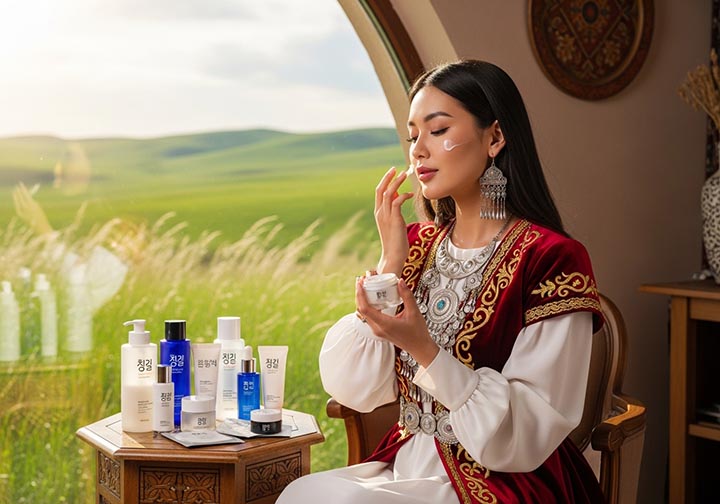
Understanding What Steppe Winds Do to Your Skin
Steppe winds are not just “cold air.” They are typically low in humidity, often carrying dust particles, and they accelerate transepidermal water loss. In simple terms, your skin loses moisture faster than it can retain it. Over time, this weakens your natural barrier, making your skin more reactive and prone to irritation.
In Korea, we experience similar conditions during certain seasons, especially with dry winter winds coming from the continent. That’s why Korean skincare places such a strong emphasis on barrier protection rather than just surface hydration.
Why Your Skin Barrier Matters More Than Moisture Alone
A common mistake I see foreigners make is focusing only on moisturizing products. Moisture is important, but without a strong barrier, it simply evaporates. Your skin barrier acts like a shield. When it’s intact, it locks in hydration and keeps irritants out.
When it’s damaged, even the best products won’t work effectively. In Korean skincare philosophy, this is why you’ll often hear about “skin barrier repair” before anything else. Products are chosen not for quick results, but for long-term resilience.
Key Ingredients That Actually Work in Harsh Winds
From real experience working with clients dealing with extreme dryness, these ingredients consistently deliver results:
- Ceramides – These are essential lipids that rebuild your skin barrier structure.
- Panthenol – Helps soothe irritation while supporting repair.
- Hyaluronic Acid – Effective, but only when paired with occlusive layers.
- Centella Asiatica – A staple in Korean skincare for calming stressed skin.
- Squalane – Provides lightweight but effective protection against moisture loss.
Korean products often combine these in balanced formulations, which is why they perform so well in difficult climates.
A Practical Routine That Holds Up Against Wind Damage
You don’t need a complicated routine, but you do need a strategic one. Start with a gentle, low-pH cleanser. Over-cleansing is one of the fastest ways to destroy your barrier in dry climates.
Follow with a hydrating toner or essence. In Korea, layering light hydration is preferred over using one heavy product. Apply a serum focused on barrier repair. Look for ceramides or soothing ingredients rather than actives like strong acids.
Seal everything with a cream that has occlusive properties. This step is non-negotiable in windy environments. During the day, always use sunscreen. Wind exposure combined with UV damage accelerates skin aging and sensitivity.
Mistakes That Make Things Worse
I’ve seen many well-intentioned routines fail because of these common issues:
- Using exfoliants too frequently. In steppe conditions, your skin is already stressed.
- Skipping moisturizer because skin feels oily. This often backfires and worsens dehydration.
- Relying only on facial oils. Oils help, but without hydration underneath, they are not enough.
- Ignoring environmental factors like indoor heating, which further dries the air.
What Korea Gets Right About Skin Protection
Living in Korea, one thing becomes clear quickly: skincare here is preventive, not reactive. People don’t wait until their skin is damaged they build routines that maintain balance regardless of the season. This mindset is especially useful for foreigners dealing with steppe winds. Instead of chasing quick fixes, focus on maintaining a strong barrier every day.
Final Thoughts
If you’re dealing with harsh, dry winds, your goal shouldn’t be perfect skin it should be resilient skin. Once your barrier is strong, everything else becomes easier: hydration lasts longer, irritation decreases, and your overall skin condition stabilizes.
From what I’ve seen working with international clients in Korea, the ones who succeed are not the ones using the most products, but the ones who understand their environment and adjust accordingly.