Pre-Marriage Education Programs Required by the Government
For many foreigners planning to marry a Korean citizen, the process seems straightforward at first. You meet someone, fall in love, prepare documents, and begin your life together.
However, many are surprised to discover that some governments around the world have introduced pre-marriage education programs designed specifically for couples preparing for marriage.
These programs are becoming increasingly important in an era of rising international marriages, multicultural families, and cross-border migration. Their purpose is not to make marriage more difficult.
Instead, they aim to help couples understand the responsibilities, expectations, and challenges that often arise after the wedding ceremony.
As someone living in Korea and working closely with multicultural families and international couples, I have seen firsthand how preparation before marriage can make a significant difference in long-term relationship success.
Why Governments Are Introducing Pre-Marriage Education
Marriage has traditionally been viewed as a personal decision between two individuals. However, governments increasingly recognize that stable families contribute to social stability, child welfare, and community development.
When marriages break down shortly after they begin, the consequences often extend beyond the couple themselves. Financial hardship, emotional stress, custody disputes, and immigration complications can affect entire families.
For this reason, many countries have introduced educational programs that help couples prepare for married life before problems arise.
The goal is prevention rather than intervention.
Instead of waiting until a marriage reaches a crisis point, governments encourage couples to discuss important topics early and develop realistic expectations about life together.
The Growing Importance of International Marriages
International marriages have become increasingly common throughout the world.
In Korea, multicultural families are now a visible part of society. Korean citizens marry partners from many different countries including the Philippines, Vietnam, China, Thailand, Mongolia, Uzbekistan, the United States, Canada, Australia, and numerous European nations.
While international marriages offer tremendous opportunities for cultural exchange and personal growth, they also involve unique challenges.
- Language barriers can create misunderstandings.
- Different cultural expectations may lead to conflict.
- Family traditions may differ significantly.
- Financial management styles can vary dramatically.
- Parenting philosophies often reflect different cultural backgrounds.
Pre-marriage education programs help couples explore these topics before they become major sources of tension.
What Is Usually Taught in These Programs
Although requirements vary depending on the country and local government policies, most pre-marriage education programs cover several common subjects.
Communication skills are usually one of the most important topics. Couples learn how to discuss disagreements respectfully and resolve conflicts constructively.
Financial planning is another major focus. Many marital problems around the world are linked to financial stress. Educational programs often encourage couples to discuss income, savings, debt, spending habits, and future financial goals.
Family expectations are also frequently addressed. Participants are encouraged to discuss relationships with parents, future living arrangements, caregiving responsibilities, and expectations surrounding children.
Health and emotional wellbeing are often included as well. Some programs discuss stress management, mental health awareness, and maintaining healthy relationships over the long term.
The Korean Perspective on Marriage Preparation
In Korea, marriage has traditionally been viewed not only as a union between two individuals but also as a connection between families.
Although younger generations are increasingly independent, family involvement still plays an important role in many marriages. Foreign spouses are often surprised by the level of family interaction that may occur after marriage.
Parents may offer advice about finances. Relatives may participate actively in holiday gatherings. Family expectations regarding childcare can sometimes differ from what foreign spouses anticipated.
Pre-marriage education helps couples discuss these topics openly before marriage. Having honest conversations early often prevents misunderstandings later.
Multicultural Family Support Centers in Korea
One unique aspect of Korea’s approach to multicultural families is the availability of support services.
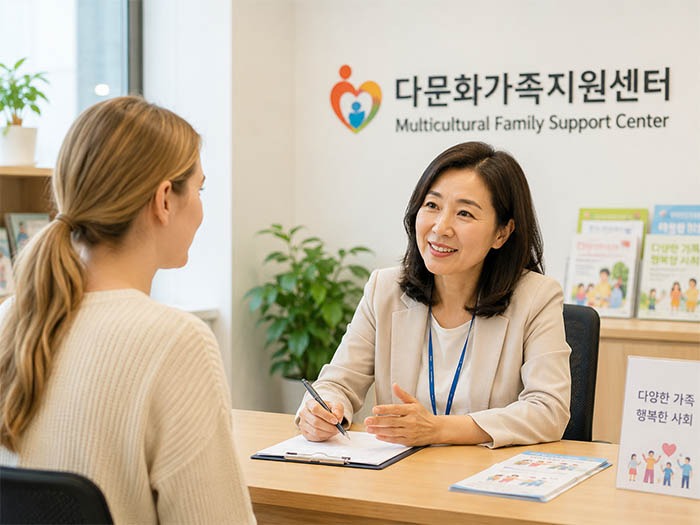
Throughout the country, multicultural family support centers provide educational programs, language assistance, cultural adaptation services, parenting education, and counseling opportunities.
These programs are designed to help both Korean citizens and foreign spouses adjust successfully to multicultural family life.
Many couples discover that learning together strengthens their relationship and improves communication. Rather than viewing cultural differences as obstacles, they learn to see them as strengths.
Common Issues Discussed Before Marriage
One of the biggest mistakes couples make is assuming that love alone will solve every problem. Love is important, but successful marriages also require planning, communication, and mutual understanding.
Pre-marriage education often encourages discussion of practical issues that many couples would otherwise avoid.
- Where will the couple live?
- Which language will be spoken at home?
- How will finances be managed?
- How often will extended family members be involved?
- What are each partner’s career goals?
- Do both partners want children?
- How will cultural traditions be celebrated?
These conversations may feel uncomfortable initially, but they are essential for building a stable foundation.
Does Pre-Marriage Education Actually Work?
Research from various countries suggests that couples who participate in relationship education programs often report stronger communication skills and higher relationship satisfaction. The programs cannot guarantee a successful marriage.
No course can eliminate every challenge or disagreement. However, they can provide valuable tools that help couples navigate difficulties more effectively.
Many participants report that they learned important information about their partner that might never have surfaced during ordinary dating conversations. This deeper understanding often strengthens trust and mutual respect.
Why Foreigners Planning to Marry in Korea Should Pay Attention
For foreigners considering marriage to a Korean citizen, understanding the concept of pre-marriage education is particularly valuable. International relationships naturally involve additional layers of complexity. Immigration procedures, language differences, cultural adaptation, and family integration all require thoughtful preparation.
Couples who invest time in learning about each other’s cultures and expectations generally adapt more smoothly after marriage. The strongest international couples are often those who view preparation as an investment in their future together.
They recognize that successful marriages are built not only on romance but also on understanding, patience, and shared commitment.
The Future of Marriage Preparation
As societies become increasingly multicultural, pre-marriage education programs are likely to become more common. Governments, family organizations, and community groups are recognizing that strong marriages contribute to healthier communities.
Future programs may include more specialized training for international couples, bilingual education materials, online learning platforms, and multicultural family support services.
The emphasis will likely remain the same. Helping couples build realistic expectations, develop strong communication skills, and prepare for the realities of married life.
Final Thoughts
Pre-marriage education programs required or encouraged by governments are not designed to interfere with personal relationships. Their purpose is to help couples build stronger foundations before marriage begins.
For international couples in Korea, these programs can be especially valuable. They provide opportunities to discuss cultural differences, family expectations, financial planning, communication styles, and long-term goals before challenges emerge.
Marriage is one of the most important decisions people make. The more prepared couples are before the wedding, the better equipped they will be to create a stable, healthy, and rewarding life together.
In a world where multicultural families continue to grow, pre-marriage education may become one of the most valuable tools available for building successful international marriages.