
How to Get Internet Installed in Korea
A Local’s Guide
When you first arrive in Korea whether you’re moving here long-term for work or coming for a semester abroad one of the first things you’ll want is fast, stable internet at home.
Korea’s wired broadband is famous for its speed and reliability, but signing up for internet here feels different from many Western countries. Let me walk you through the whole process as someone who’s lived here and helped friends and foreigners get connected.
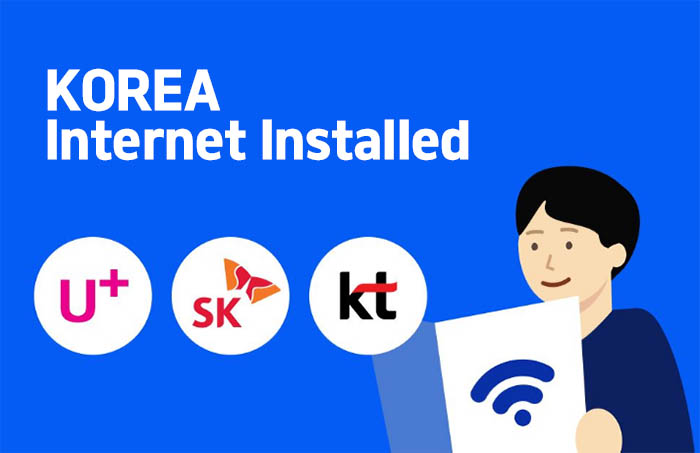
Step 1: Choose Your Internet Provider
In Korea, most home internet connections come from one of the major telecom providers:
- KT (Olleh): Widely known for excellent nationwide coverage and stable speeds.
- SK Broadband: Strong deals and often good bundle options with TV services.
- LG U+: Popular for flexible plans and solid customer support.
These three dominate the market, and in most cities or towns you’ll have access to at least one of them. Before signing up, it’s worth checking coverage for your specific address more on that in Step 2.
Step 2: Check Service Availability at Your Address
Not every internet plan covers every street if you live in a newer apartment in Seoul, you probably have multiple choices. If you’re in a rural area, options can be limited. The big providers all have online tools to check availability using your address (road name or lot number).
If you find a provider is unavailable at your address, you’ll generally try another provider’s coverage tool. In rare cases where regular broadband isn’t available, there are wireless alternatives, but most urban and suburban homes will have fiber or cable options.
Step 3: Decide Between Wired Broadband and Alternatives
The standard home internet in Korea is wired broadband very fast (often 500 Mbps or 1 Gbps) and stable. Still, there are alternatives that might suit your situation:
- Wireless home internet (4G/5G routers): Great for short-term stays or if you don’t want a long contract. Plans are cheaper than full wired broadband and don’t always require installation.
- Mobile SIM or eSIM plans with hotspot: Best for temporary needs or the first few weeks after arrival before your home connection is installed.
For most expats planning to stay months or years, wired broadband is the best choice after you settle into your home.
Step 4: Choose a Plan That Fits Your Needs
When you’re ready to pick a plan, consider these factors:
- Speed: Most households use 100 to 1,000 Mbps plans. Higher speeds cost more but are useful for heavy streaming or remote work.
- Contract Terms: Korean broadband often comes with 2- to 3-year contracts. Expect better prices if you commit longer.
- Bundles and Discounts: Many providers offer TV or mobile bundle options that can reduce costs.
It’s smart to compare plans with a comparison service before signing some brokers or comparison sites help you see side-by-side options and available sign-up bonuses or equipment fee waivers.
Step 5: Sign Up and Schedule Installation
Once you’ve picked a provider and plan, you can sign up in one of a few ways:
- Visit a local store: Many expat-friendly areas, especially in big cities like Seoul, have English-speaking staff at telecom stores.
- Call customer service: Some providers have English support lines.
- Use a broker or third-party shop: Many expats use a service agent some even offer extra perks like installation support or a small welcome gift though you should never pay unusually high upfront fees.
For installation, you’ll need:
- Your Alien Registration Card (ARC) or passport
- A Korean phone number
- A Korean bank account or payment method for monthly bills
Once you sign the contract, the provider will send a technician to your home on the date you choose. Installation typically takes 1–2 hours, including modem and router setup, and testing the connection.
Step 6: Understand the Costs
Here’s what to expect price-wise:
- Monthly fee: Usually around 25,000 to 70,000 KRW depending on speed and plan.
- Installation fee: Often a small one-time charge (around 20,000 to 40,000 KRW), though it’s frequently waived during promos.
- Equipment: Most plans rent you a modem and a Wi-Fi router this is usually a small monthly fee or included in the plan.
Korean broadband pricing is quite competitive, especially compared with many Western countries, and coverage is excellent in most urban areas.
Tips for Smooth Setup as an Expat
- Prepare your documents ahead of time: Having your ARC, phone number, and bank account ready speeds up the signup.
- Ask about English support: Many larger providers or shops in expat areas offer English assistance very helpful if your Korean is still basic.
- Don’t rush the plan choice: If you’re uncertain about how much speed you need, start with a mid-range plan; you can often upgrade later.
Using Internet Before Installation
If your home isn’t connected yet:
- Use your mobile data plan or a portable Wi-Fi device as a temporary solution.
- Free public Wi-Fi is available in cafés, parks, and even on subways in most cities useful for light browsing until your home service starts.