Excessive Makeup That Lowers Your Value
Why This Topic Matters More Than People Think
In Korea, appearance plays a noticeable role in daily life, whether it’s social situations, dating, or even professional settings. But there’s a misconception many foreigners have when they first explore K-beauty. They assume more makeup equals better results. In reality, the opposite is often true.
Excessive makeup doesn’t just change how you look. It can affect how you’re perceived. In a culture where subtlety and balance are highly valued, overdoing it can work against you rather than in your favor.
The Korean Standard: Clean, Balanced, and Effortless
If you walk through Seoul, you’ll notice a consistent pattern. Most people aren’t wearing heavy, dramatic makeup on a daily basis. Instead, the focus is on clear skin, even tone, and a natural finish. The goal isn’t to transform your face. It’s to enhance what’s already there.
This is why terms like “clean look” or “natural glow” are so dominant in Korean beauty trends. Heavy contouring, thick foundation, and overly bold colors can feel out of place in everyday settings. They draw attention, but not always in a positive way.
Where Excessive Makeup Goes Wrong
There are a few common patterns that tend to lower overall impression rather than improve it. One is over-layering foundation. Thick base makeup can make skin look less healthy, especially under natural lighting. Instead of creating a flawless look, it often highlights texture and makes the face appear less natural.
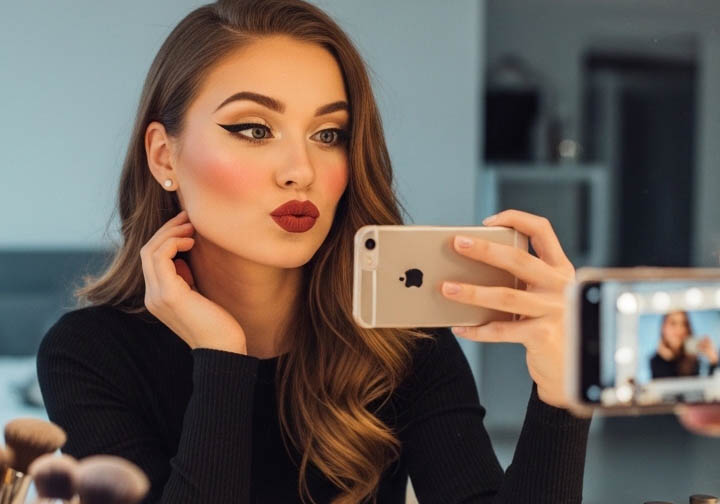
Another issue is mismatched intensity. For example, combining heavy eye makeup, strong contour, and bold lips all at once can overwhelm your features. In Korea, balance is key. Usually, one feature is emphasized while the rest stays subtle.
Finally, there’s the problem of trying to follow trends without adapting them. What works in a photoshoot or online video doesn’t always translate well into real life.
Perception: What People Actually Notice
Here’s the part many people overlook. Most people don’t analyze makeup technique. They react to the overall impression. In Korea, excessive makeup can sometimes be associated with trying too hard or lacking awareness of social context.
On the other hand, a natural and well-balanced look is often perceived as more confident, approachable, and refined. This doesn’t mean heavy makeup is “wrong.” It just means it’s not always aligned with everyday expectations in Korean society.
Why Natural Makeup Feels More Attractive
Natural makeup works because it aligns with how people expect skin and features to look in real life. It allows expressions, skin texture, and natural tones to come through.
Instead of covering everything, it corrects only what’s necessary. Light foundation or cushion, subtle brow shaping, a hint of color on the lips these small adjustments create a polished look without overwhelming the face. It also ages better throughout the day. Heavy makeup tends to break down, while lighter applications remain more stable and believable.
The Role of Skin Over Makeup
One major difference in Korean beauty culture is the priority placed on skincare over makeup. Instead of relying on makeup to create the illusion of good skin, the focus is on actually improving skin condition.
When your skin is healthy, you need less makeup. And when you use less makeup, your skin tends to stay healthier. It’s a cycle that reinforces itself over time. This is one reason why excessive makeup can be seen as a shortcut that doesn’t really solve the underlying issue.
Situational Awareness Matters
Makeup isn’t one-size-fits-all. What works for a night out, a photoshoot, or a performance doesn’t always work for daily life, work environments, or meeting family members.
In Korea, people tend to adjust their appearance based on context. A softer, more natural look is usually preferred in professional and social settings. Understanding this difference can make a big impact on how you’re perceived.
How to Avoid the “Overdone” Look
If you want to align more with Korean beauty standards, the approach is straightforward. Start with a lighter base. Focus on evening out your skin tone rather than fully covering it. Choose one feature to highlight, like eyes or lips, and keep the rest minimal.
Pay attention to blending and color harmony rather than intensity. Most importantly, step back and look at your overall appearance, not just individual elements. Balance matters more than detail.
Confidence Comes From Fit, Not Excess
At the end of the day, makeup should support your image, not compete with it. In Korea, the most effective looks are the ones that feel natural in context. Excessive makeup doesn’t lower your value in an absolute sense.
But in certain environments, it can create a disconnect between your appearance and what’s expected. That disconnect is what affects perception. When your look fits the setting and enhances your natural features, it communicates confidence without needing to say anything.
The Real Takeaway
K-beauty isn’t about doing more. It’s about doing what works. And in most cases, that means less than you think. Understanding when to hold back is just as important as knowing what to apply. That’s the difference between makeup that stands out for the right reasons and makeup that works against you.