
20 Things That Foreigners Who Visit Korea Are Most Surprised By
If you ask foreigners what surprised them most about Korea, the answers are rarely about the obvious things.
Yes, people expect K-pop, Korean food, and modern cities. But what really stands out are the small, everyday details the things you don’t see in travel guides. After years of living here and working with international students and expats, I’ve heard the same reactions again and again.
Here are 20 things that consistently catch foreigners off guard when they visit Korea.
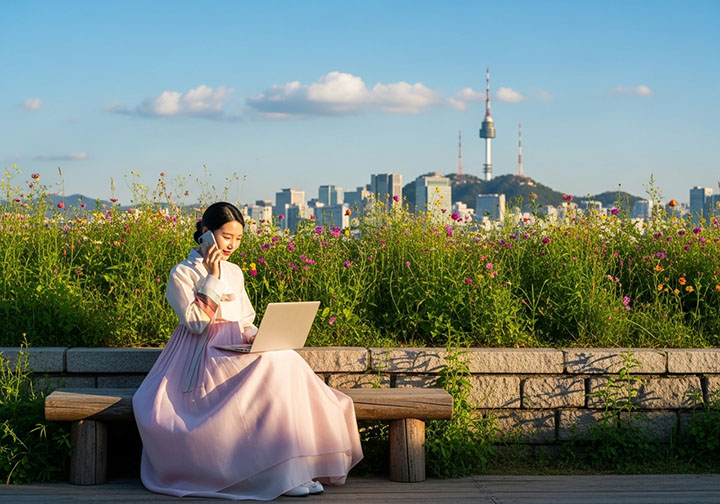
1. Everything Moves Fast
From ordering food to getting services, Korea operates at a different speed. People expect quick results, and systems are built to deliver them.
2. Ultra-Fast Internet Everywhere
Even in rural areas, internet speed is impressive. Public Wi-Fi is widely available and reliable.
3. 24-Hour Convenience Stores
Convenience stores are not just for snacks. They’re places where you can eat, pay bills, and even relax late at night.
4. Heated Floors (Ondol System)
Instead of heating the air, Korean homes heat the floor. It’s something many foreigners end up loving quickly.
5. Delivery Culture Is on Another Level
You can order almost anything food, groceries, even daily items and get it delivered quickly.
6. People Rarely Tip
Tipping is not part of Korean culture. In most cases, it’s neither expected nor necessary.
7. Public Transportation Is Extremely Efficient
Buses and subways are clean, safe, and run on time. It’s easy to get around without a car.
8. Cafés Stay Open Late
Coffee culture is huge. Many cafés stay open late, making them popular for studying and socializing.
9. Silence on Public Transport
People usually keep quiet on buses and subways. Phone calls are often avoided.
10. Strong Respect for Personal Space in Public Behavior
Even in crowded areas, people try to avoid disturbing others. There’s an unspoken understanding of shared space.
11. Beauty and Skincare Culture Is Everywhere
From drugstores to advertisements, skincare is a major part of daily life.
12. Age Matters More Than You Expect
Age influences how people speak and interact. It affects language, behavior, and social hierarchy.
13. Group Mentality Is Strong
Whether at work or in social settings, group harmony is often prioritized over individual expression.
14. Recycling Rules Are Strict
Waste separation is taken seriously. Foreigners often need time to adjust to the system.
15. Free Side Dishes with Meals
At restaurants, you’ll often get multiple side dishes without extra charge. This surprises many first-time visitors.
16. Late-Night Food Culture
Eating late at night is common, especially after social gatherings.
17. Cashless Society
Most payments are made with cards or mobile apps. Cash is becoming less common.
18. Safety at Night
Walking alone at night in most areas feels safe. This is one of the biggest positive surprises for many visitors.
19. Seasonal Extremes
Summers are hot and humid, while winters can be very cold. The contrast surprises many people.
20. Tradition and Modern Life Exist Side by Side
You can see modern skyscrapers next to traditional houses. This mix defines Korea in a unique way.
Why These Surprises Matter
These experiences go beyond simple curiosity. They shape how foreigners understand Korea. What starts as surprise often turns into appreciation. Daily life feels different not because it’s unfamiliar, but because it operates on a different set of expectations.
The Gap Between Expectation and Reality
Many people arrive in Korea with a certain image. Usually influenced by media or online content. But real life here is more detailed and more nuanced. It’s the small differences that leave the strongest impression.
Adapting Is Easier Than You Think
Most foreigners adjust quickly. Systems are efficient, people are generally helpful, and daily life is convenient. What feels unusual at first often becomes normal within weeks.
Final Thoughts from a Local Perspective
Korea is not just about what you see online. It’s about how things actually work in everyday life. The surprises listed here are not random they reflect deeper cultural patterns. Speed, efficiency, respect, and structure. Once you understand these, Korea becomes much easier to navigate. And more interesting at the same time